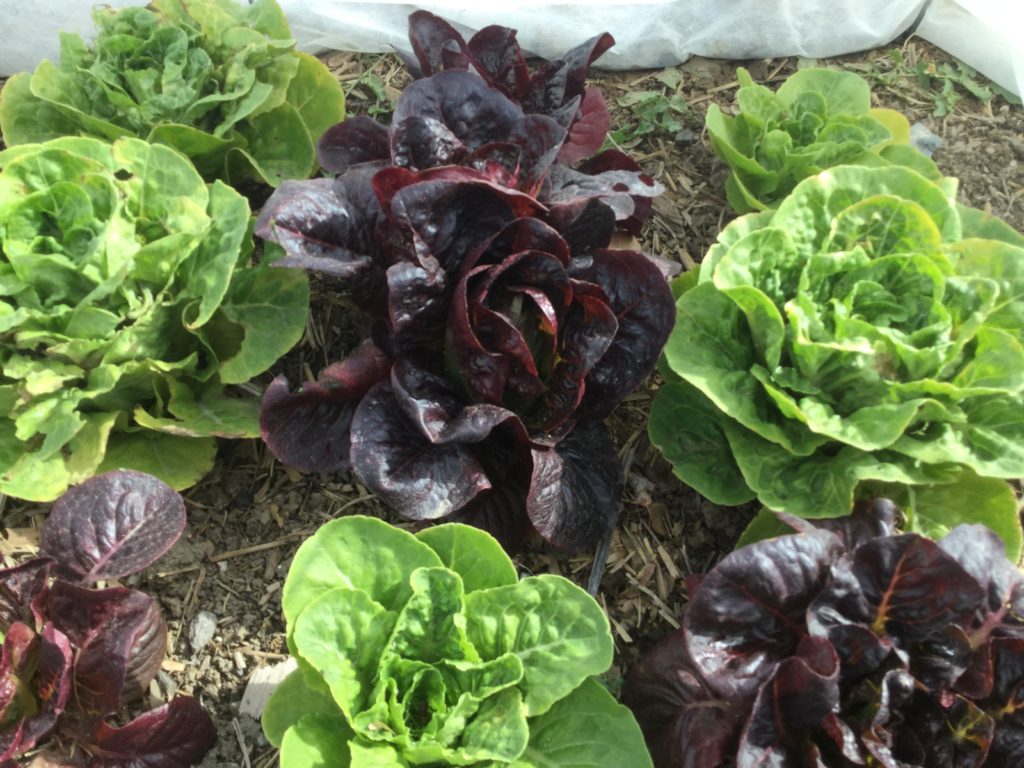
 Late this season, about the end of August I decided to experiment with a late planting of lettuce. In the past I have kept my lettuce growing to the spring then quit when it got hot and the lettuce went bitter and bolted. If you live in a place where the summers get hot and you want lettuce throughout the summer you must do close succession planting. I just never bothered. I was only planting a garden for my family, but my first summer as a market garden had me thinking a little differently about lettuce.
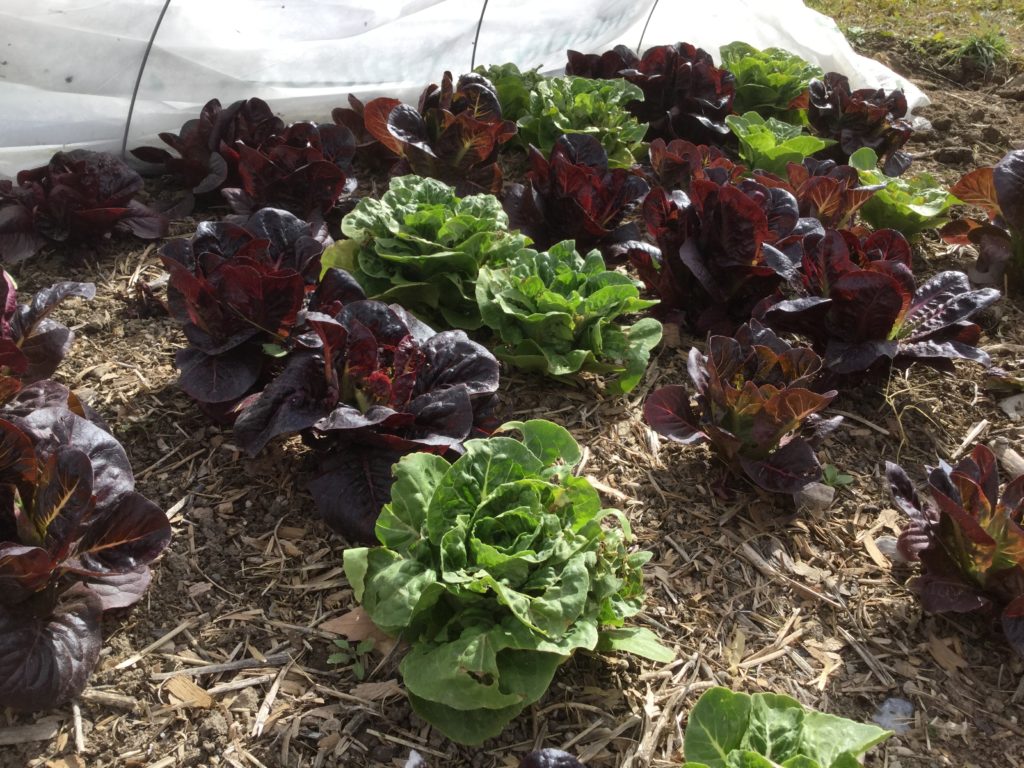 I wondered if I could plant a very late crop and be successful into October. At the end of August I planted seeds into soil blocks and tended and waited. after about two and a half weeks they were set out in the garden. They did beautifully. I was so excited watching them, anticipating sweet little heads of lettuce those last few weeks at market. We even successfully held them over through a hard freeze that took out the rest of the garden, by erecting temporarily tunnels covered with floating row cover and a thick blanket during the nights.
I had peeked at them a few times after they had been covered and everything looked so good. I felt my experiment had been successful and we would be able to do this again next season…fresh lettuce into October without a greenhouse.
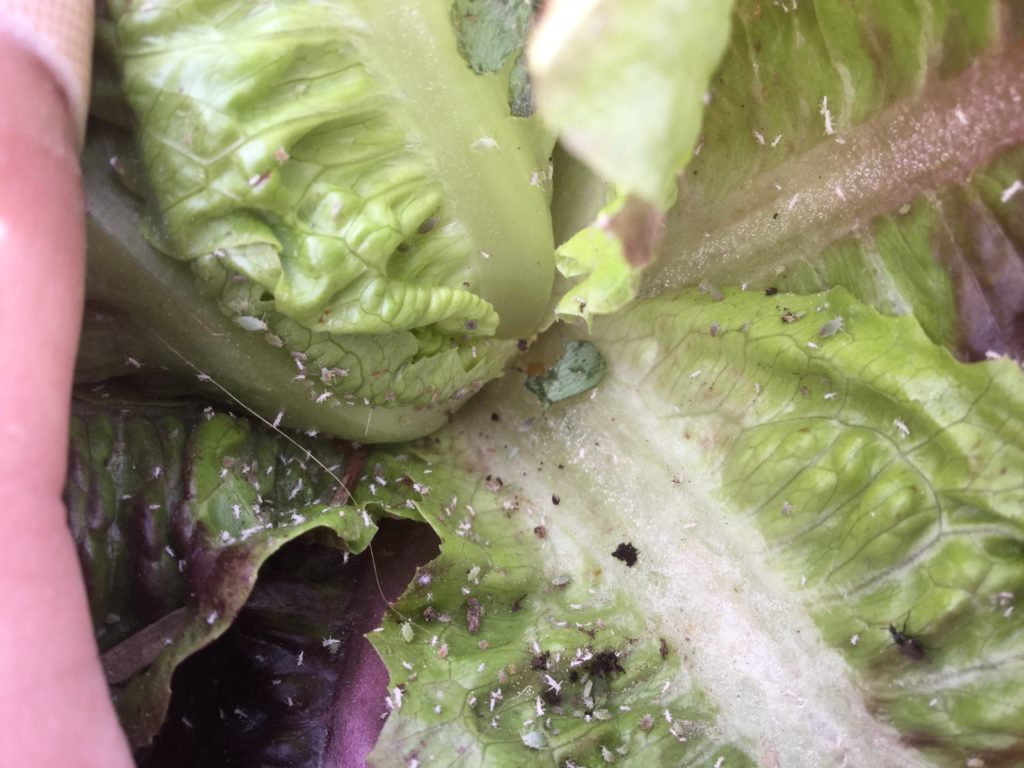
Then I uncovered them and took a real close look. I first noticed it on the dark leaves and my heart sunk. Little white exoskeletons, little aphids. Not only had my lettuce lived through the cold nights and hard freezes, but so had the aphids, and they thrived.
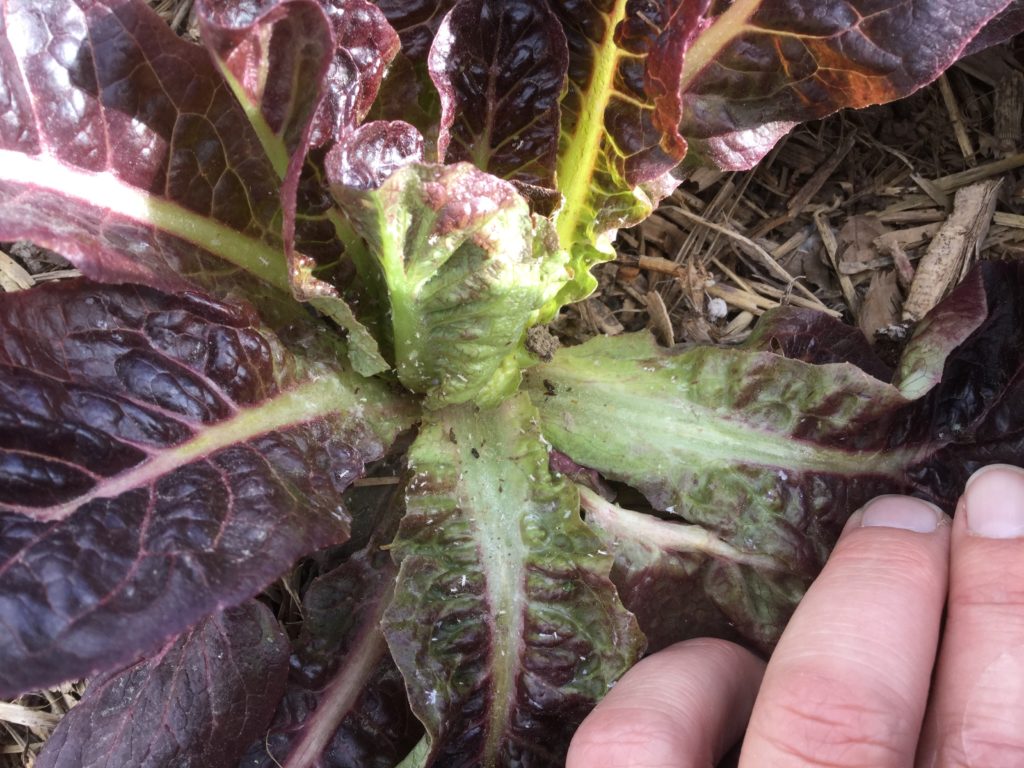 My beautiful crop of specialty romaine lettuce was a complete loss. While they will feed the rabbits and chickens, which in turn will feed the soil, I wanted them for market, and they are not fit to sell at market.
As always, everything is a learning experience. I did learn that with a little effort we can grow lettuce into October and maybe even November in the garden without a greenhouse or hoop houses. I also learned that pests will also extended their season in the nice warm shelters I create. Next year we will experiment with organic pest control inside our mini hoop houses.

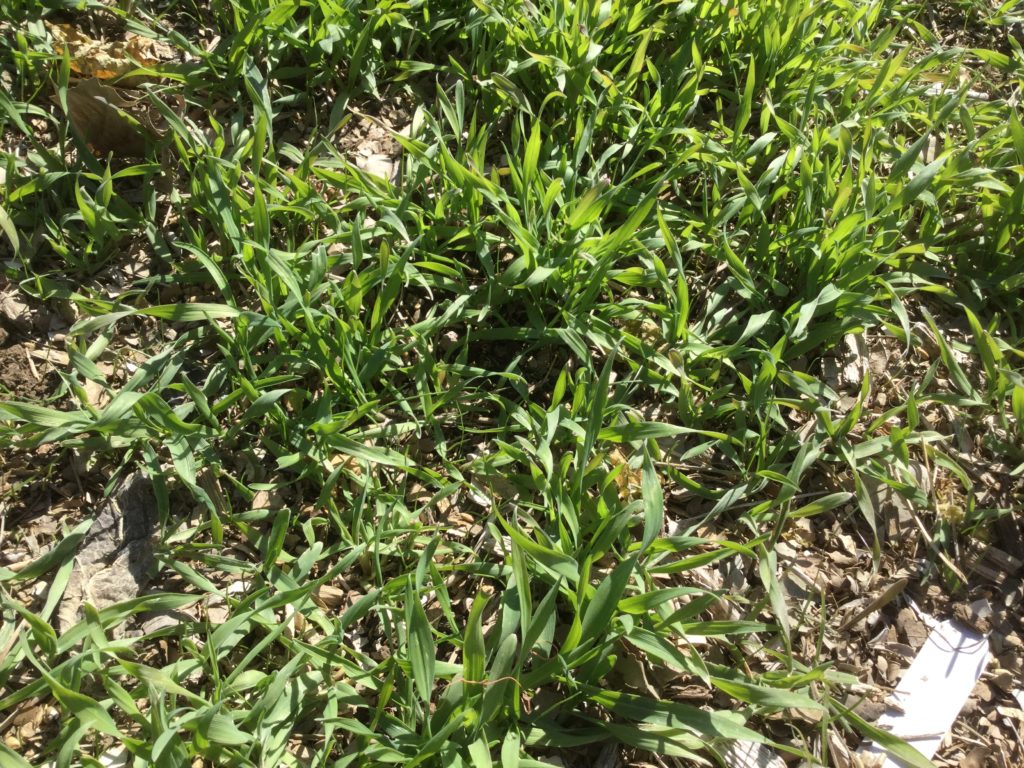
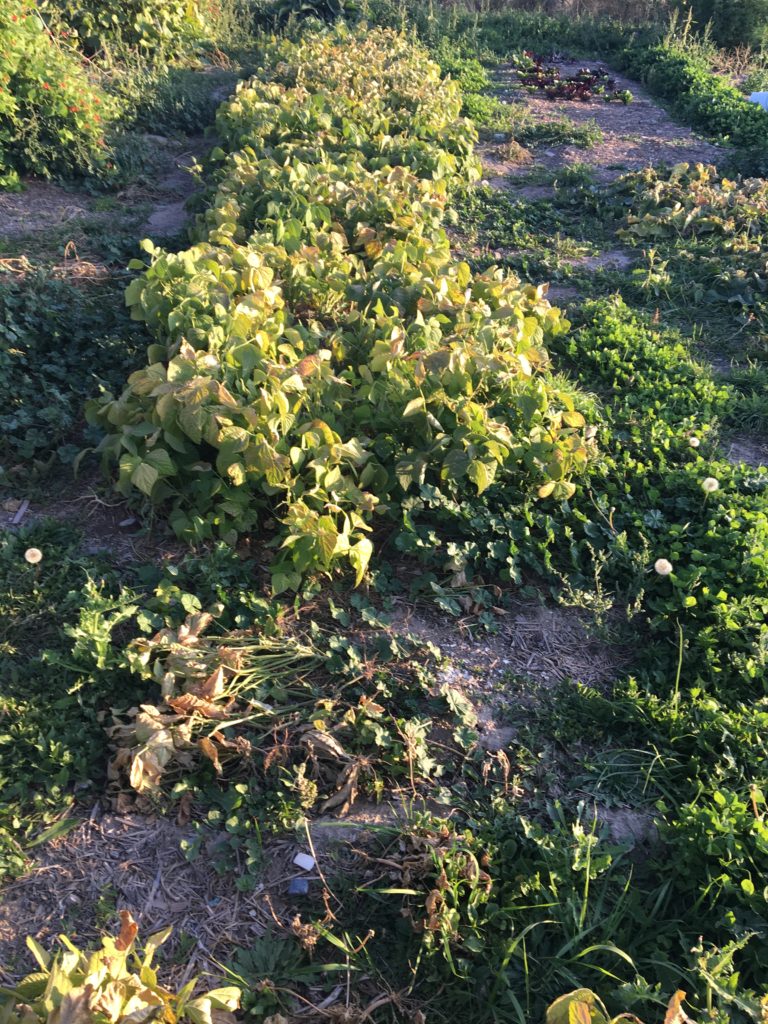
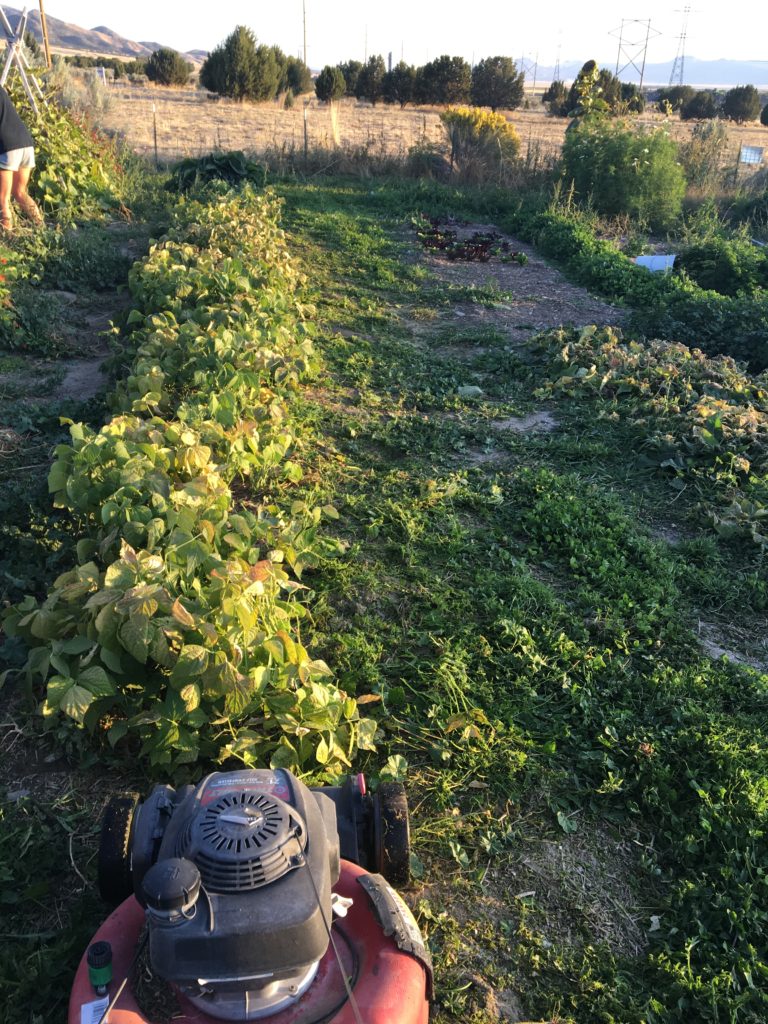
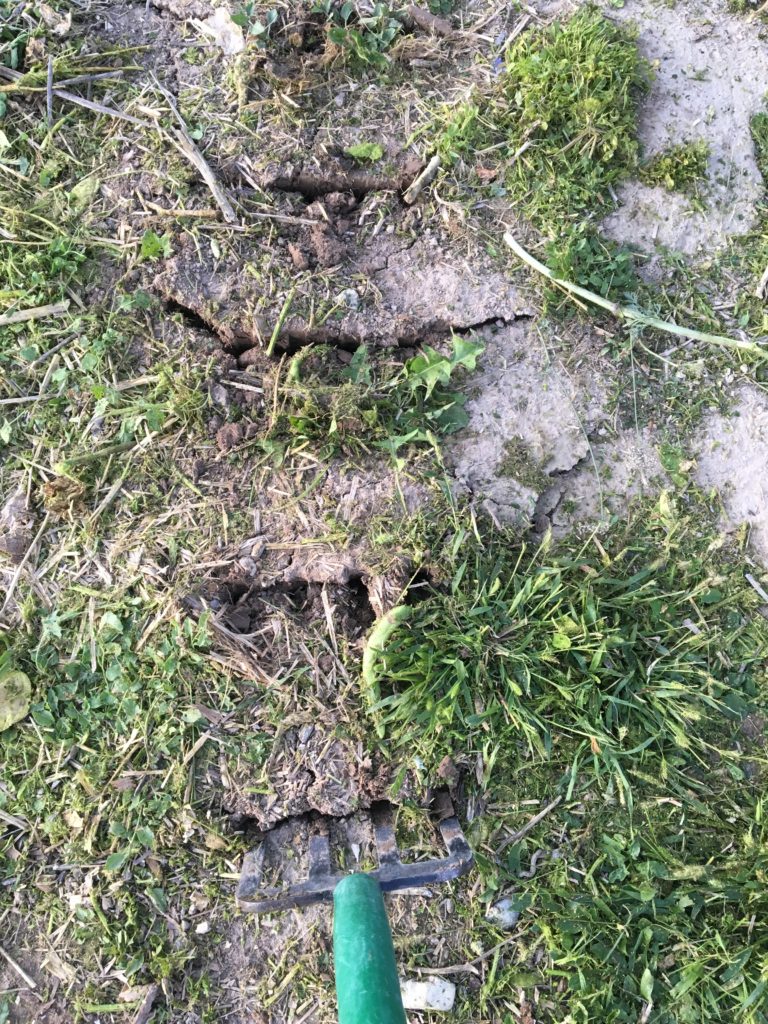
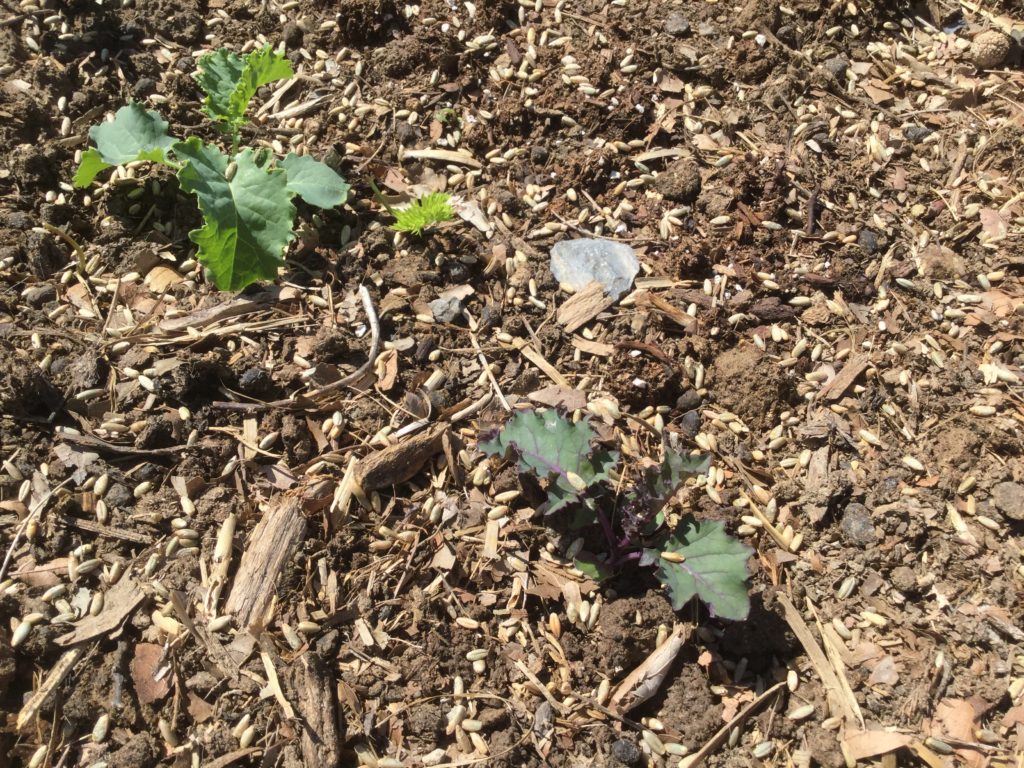
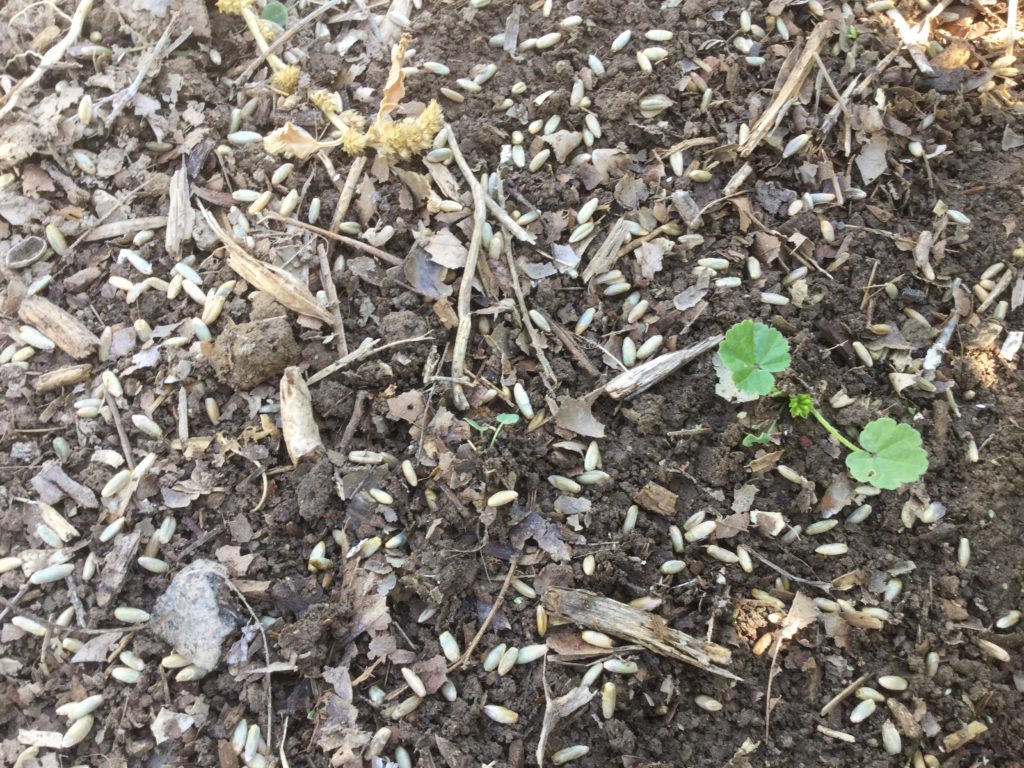
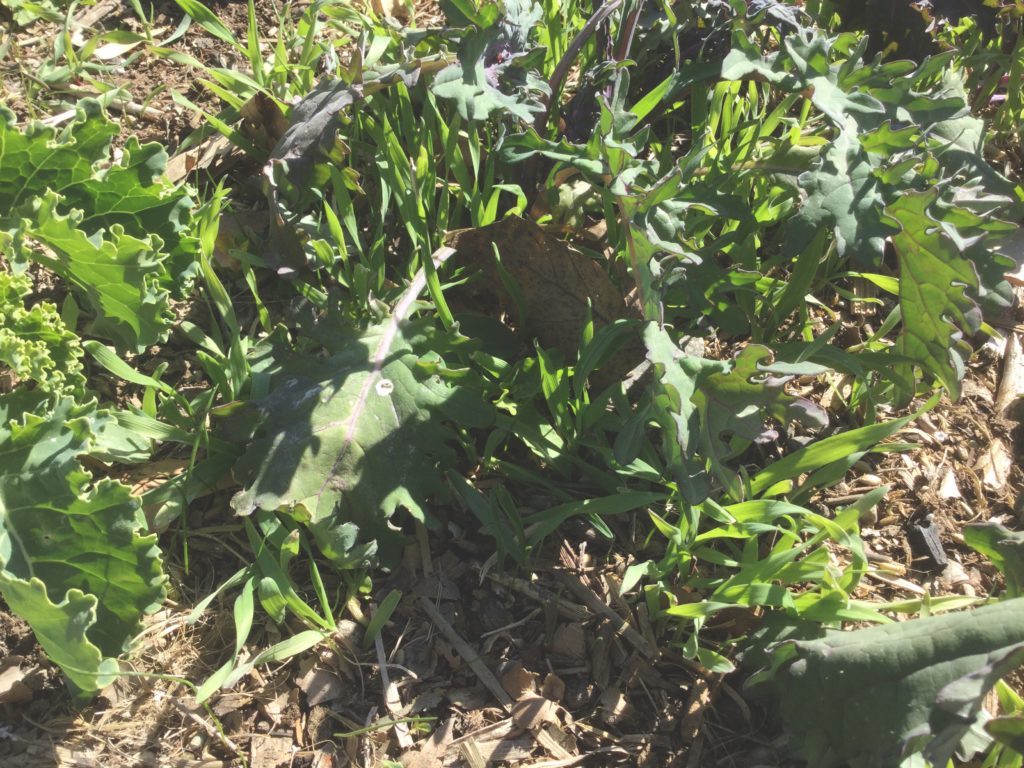 So what do I do in the spring when it comes to planting time with beds full of rye? It’s actually pretty simple. The rye gets mowed before it goes to seed. I used an annual rye grass, meaning it only lives one season. This next spring when we are ready to prepare the beds for planting the rye will be mowed down low and lightly turned in to the soil. This will add a lot of organic matter and create humus in the soil.
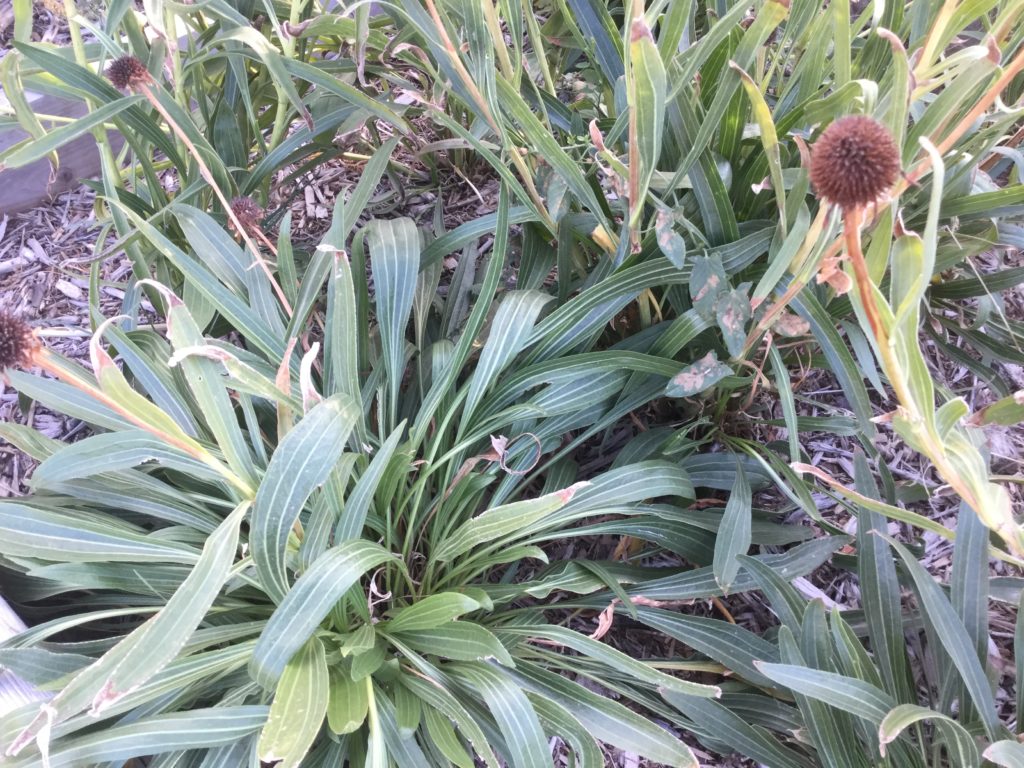
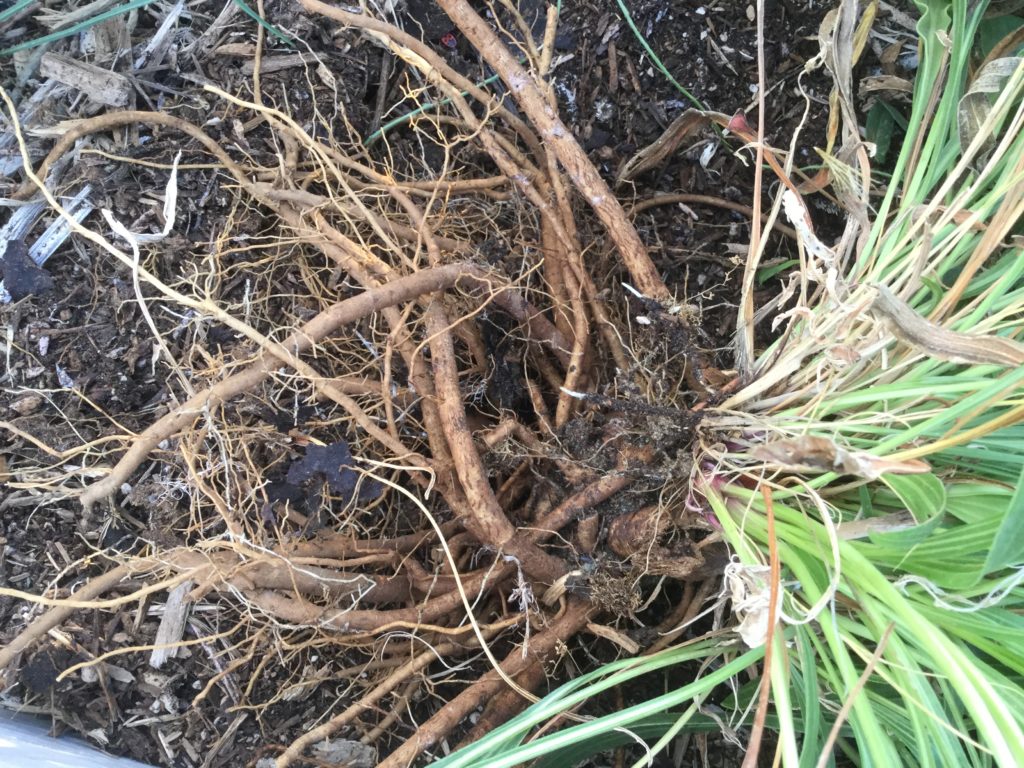 In my patch I picked about half of the biggest most healthy plants. Healthy plants make good strong medicine. With a fork I gently lifted each plant with its root system intact. They looked so beautiful.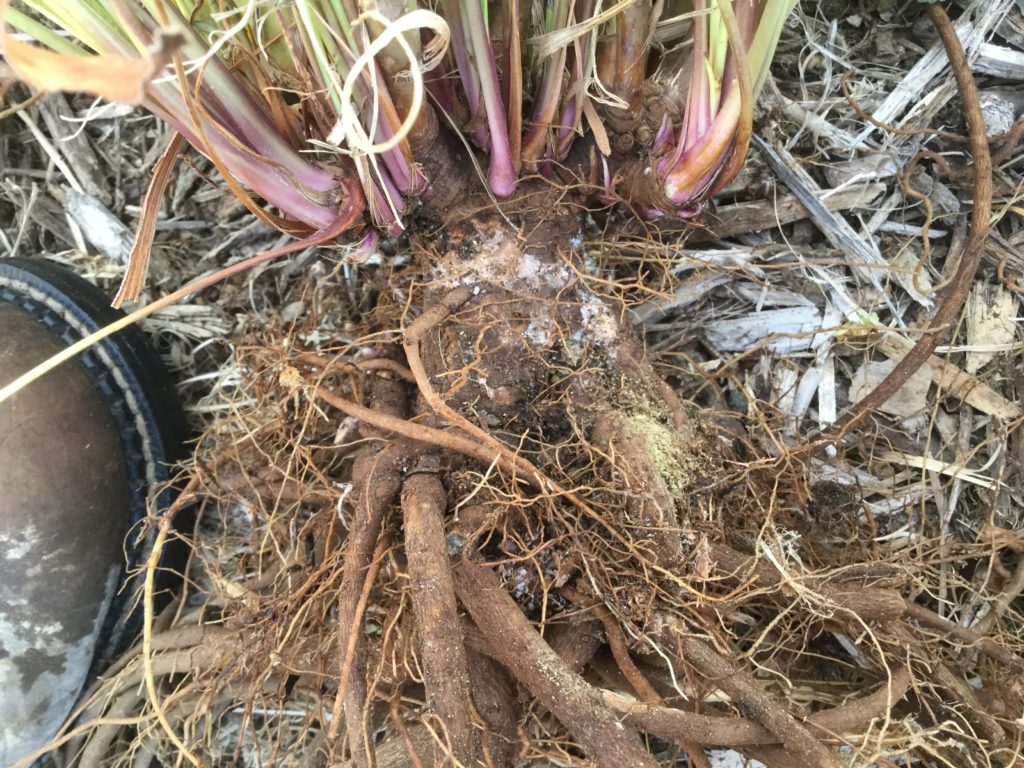
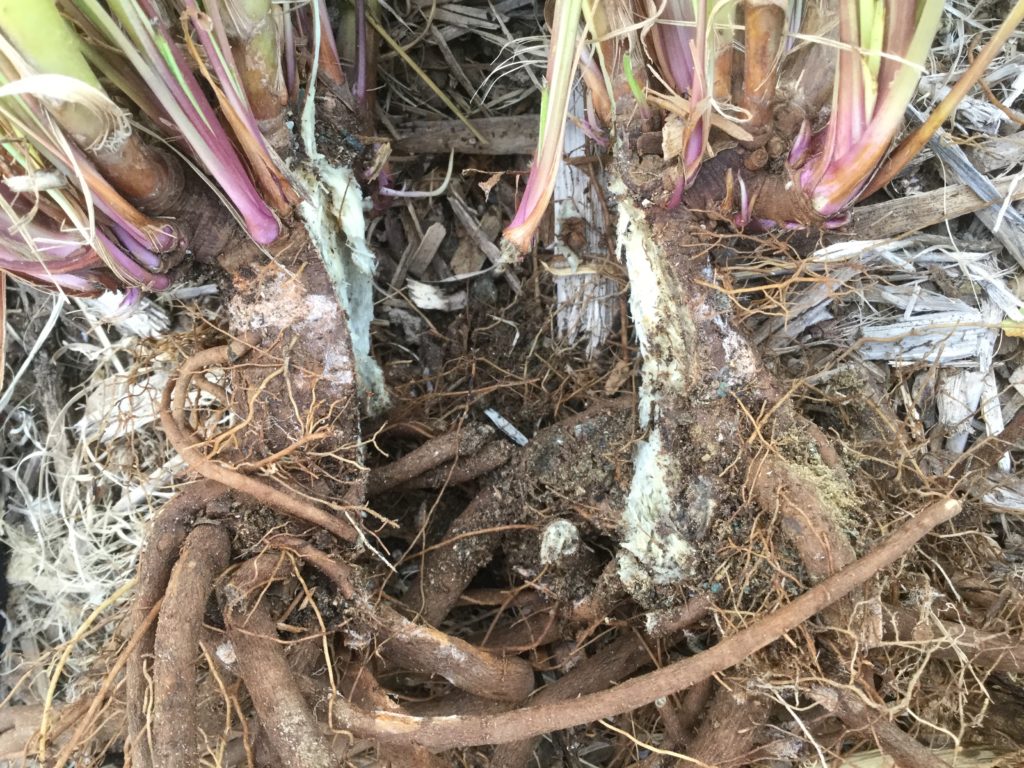 The big roots were sliced in half and about half of the smaller roots broken off, the green foliage and flower heads were trimmed back. The smaller roots and about a third of the big root stalks were set aside in my foraging basket.
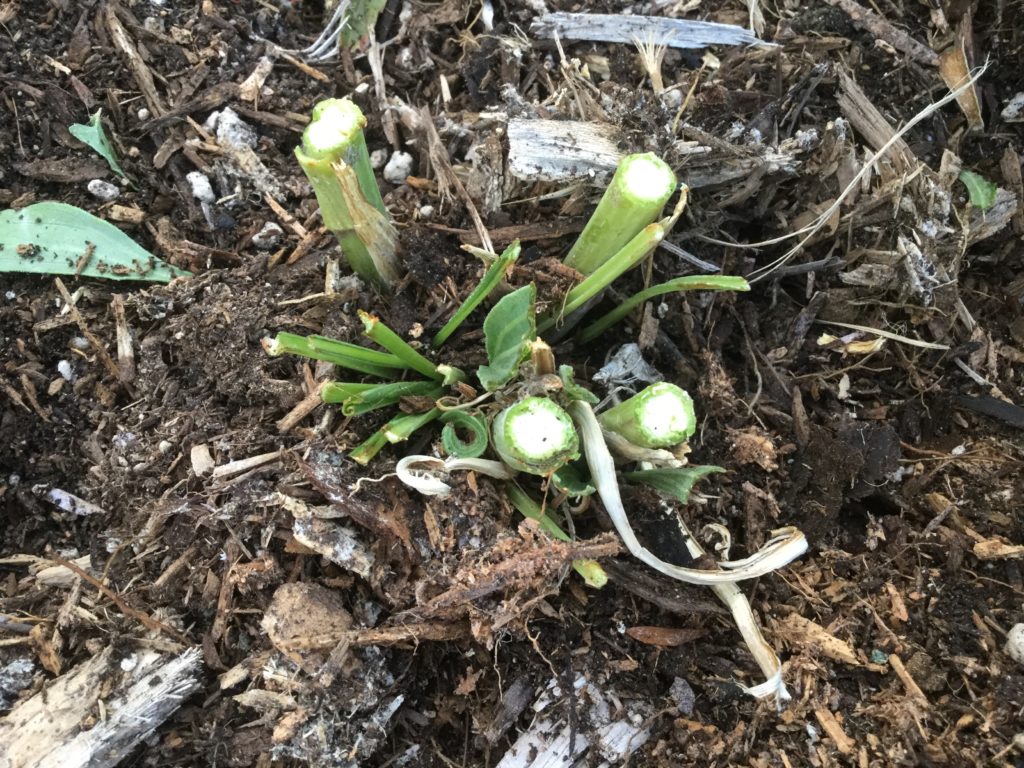 The remaining roots were tucked back into their original spots, a few were planted in a new patch. My goal is to have a continual supply of 2-3 and 4 year roots. To do this I have to be very deliberate and thoughtful about how much I take, how much I re-plant and where.
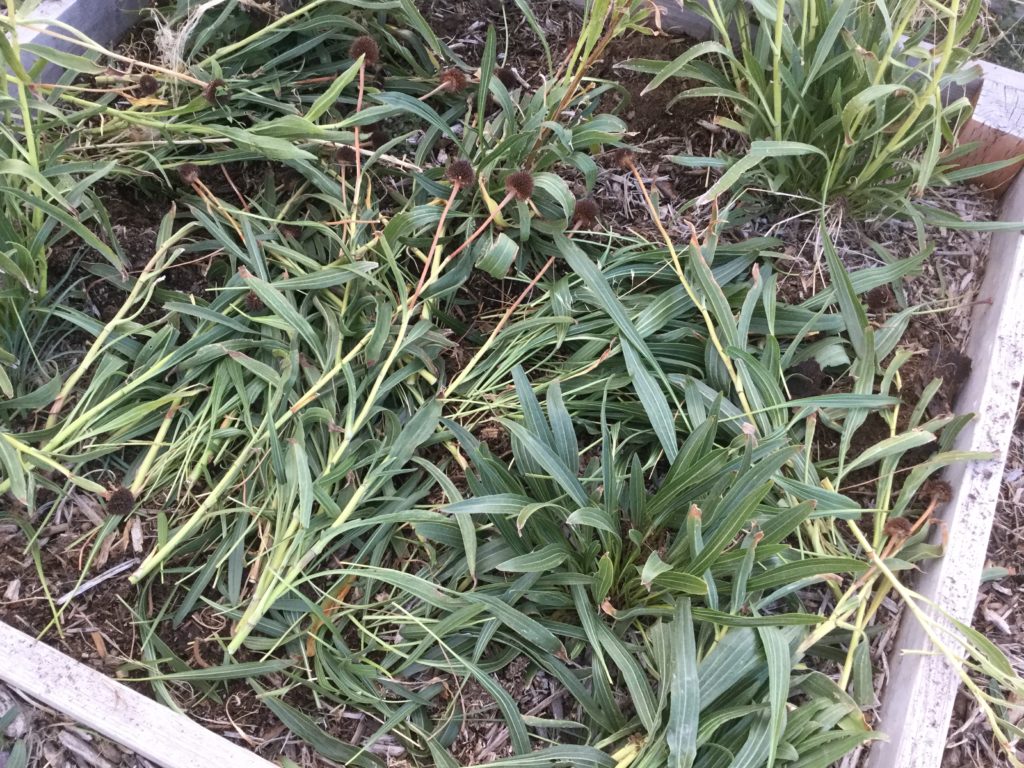 And true to my nature and philosophy, all the greens and spent flower heads were laid right back from where they came. They will compost in place, feeding the soil that fed them.
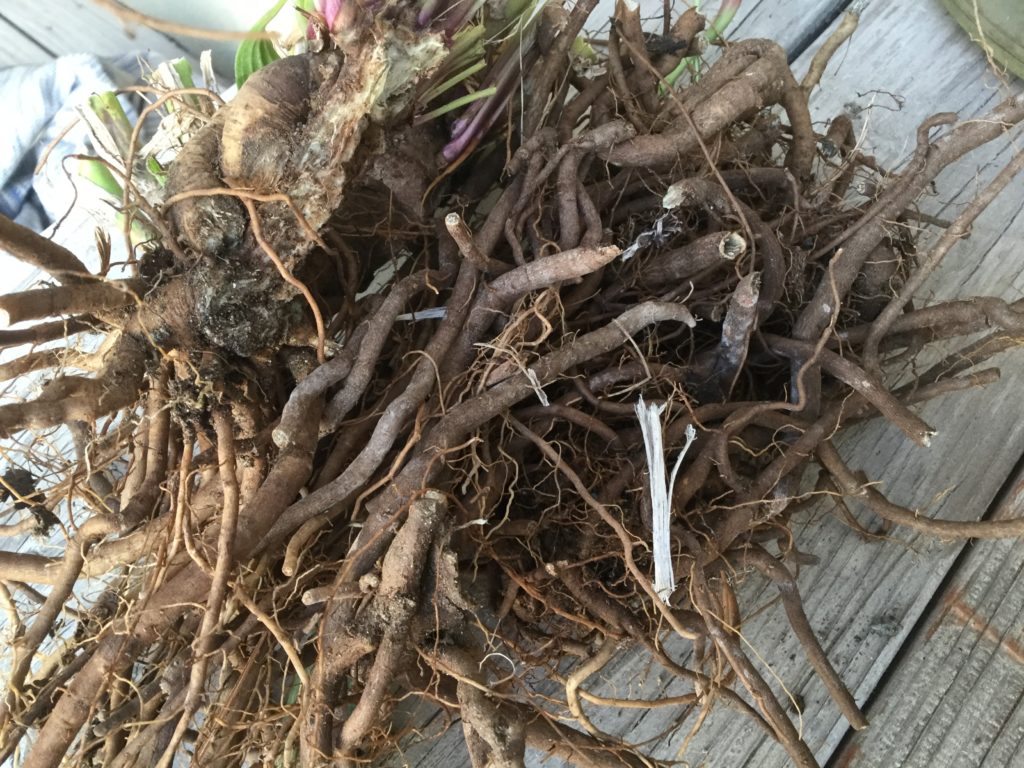 This is my harvest, they will dry out for a few days, the dirt brushed off and then they will be tinctured for six weeks. These beauties will help keep my family healthy throughout the winter. They are also going to go into a formula I am working on that will be an even more powerful ally against the cold and flu.

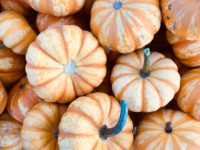
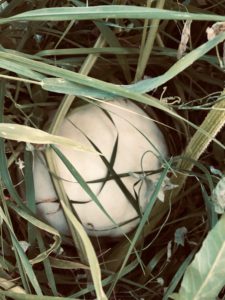
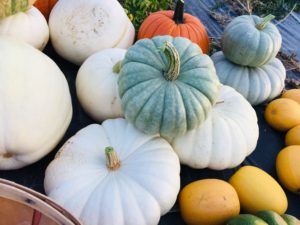
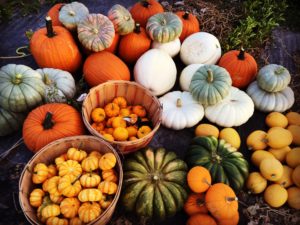
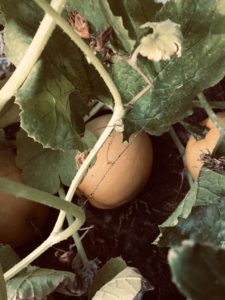
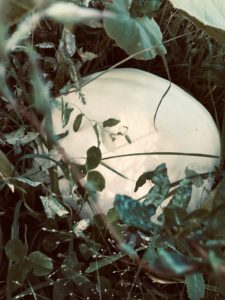 Autumn is one of my most favorite times of the year. I most likely say that at the beginning of every new season, I am glad to live in an area of the world where I get to have four seasons, I like the variety and anticipation that each season brings. That being said, Autumn is one of my favorites, I don’t tire of it quickly and I love the cool nights, the harvest, the fall colors, snuggling in front of the first fire of the season. Its such a lovely time of year. I must confess another reason I love autumn is my love affair with pumpkins. Seriously they are the mostly beautiful and interesting of all vegetables. I love the typical jack-o-lantern style and I love the old heirloom varieties, the kind that people have been growing in France for five hundred years. I love them all. I have to restrain myself every spring as I plan and plant my garden so I don’t plant too many. I so enjoy pumpkins.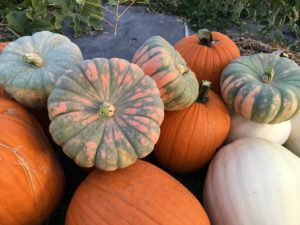

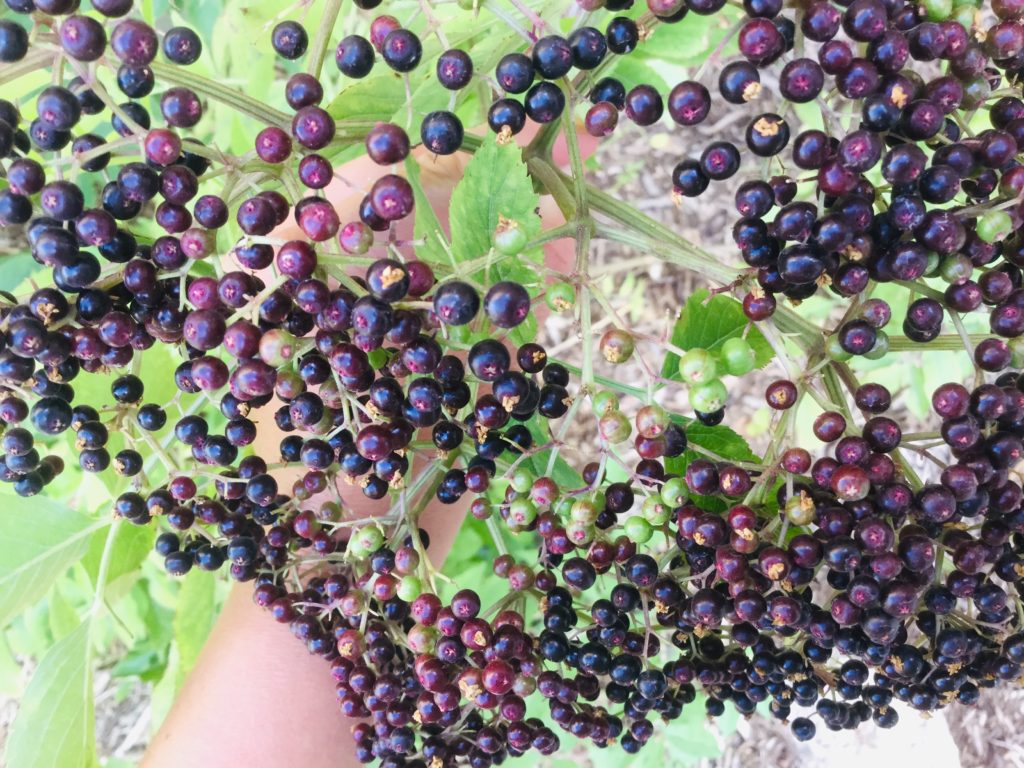

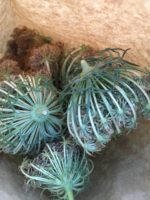
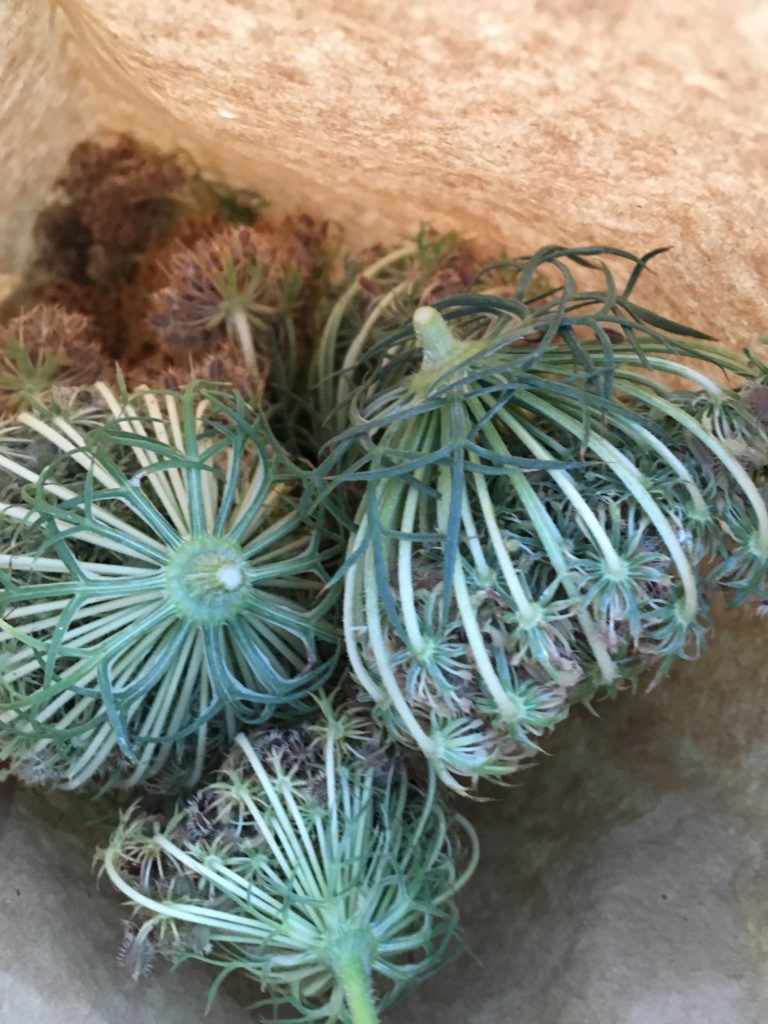
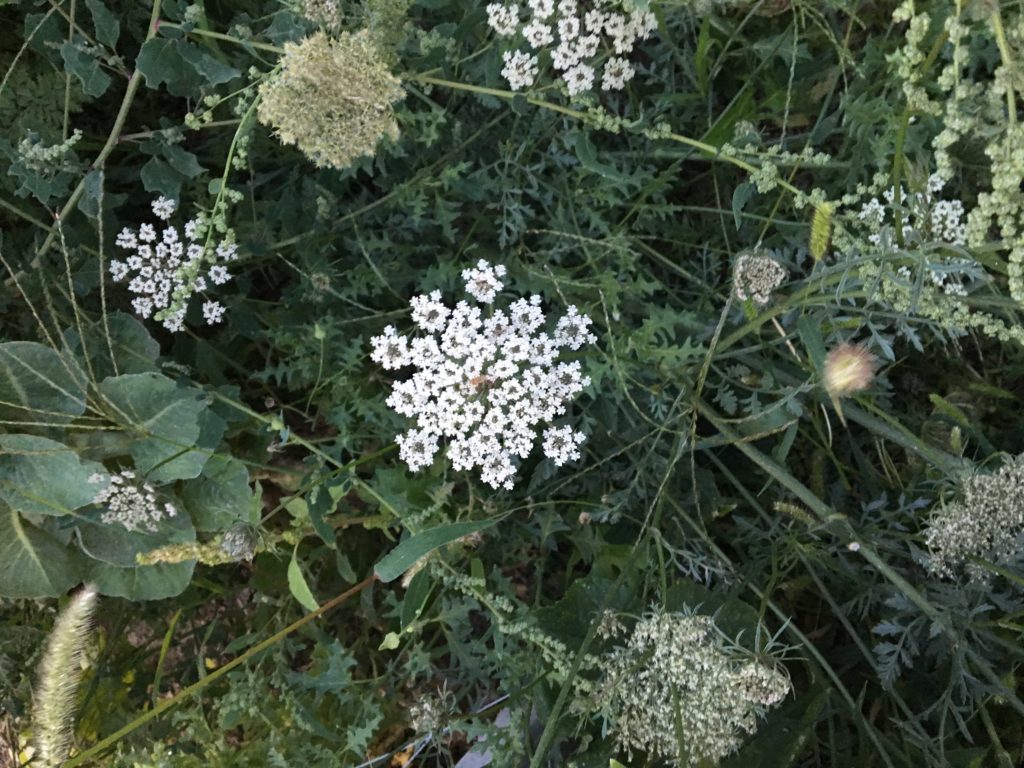 A few years ago I bought carrots seeds and the strangest thing happened. Instead of producing an edible root (well it may have been edible, but they certainly weren’t palatable) they went right to flower. This is strange, in that clearly I didn’t get the correct seed and typically plants in the carrot family are biannual and flower on their second year. It was a lovely mistake and I had a whole 50×4 foot row of beautiful Queen Ann’s Lace type flowers. I soon discovered that they were even better than beautiful, the bugs LOVED them. I had so many different types of pollinators that year that I decided they would always have a place in my garden. This has been quite easy in that they readily reseed themselves. In a permaculture garden it is very important to have plants that attract pollinators, the term is usually coined “pollinator strips”. We are preparing some new markets gardens from virgin land and will be adding perennial rows with bushes a few trees and flowers galore to attract pollinators. It is very easy to gather seeds from these flowers. As the flowers mature and the seeds ripen the heads curl inward, almost making a cup, I just clip off the head and drop it into a paper sack for safe keeping over the winter. This spring when its time to get our strips, or beds, of perennial plants ready those seeds will find a new home.