Using cover crops isn’t something I have done aggressively over the years. I would use beans and peas in rotation and we’ve planted rye and clover in some areas. This will be the first season that we are going to be using cover crops extensively. I have had many hesitations, it doesn’t seem to make much sense to plant vigorous weed-like plants in the areas I am wanting to grow vegetables. Wouldn’t I just be creating a bigger mess? Why would I plant my own weeds? The more I read and researched organic market gardening and regenerative agriculture it became clear to me that not only are cover crops beneficial, but in my situation they are essential.
“Green-manure crops help protect against erosion, retain nutrients that might other wise be leached from the soil, suppress the germination and growth of weeds, cycle nutrients from the lower to the upper layers of the soil, and–in the case of legumes–leave to the following crop a considerable quantity of nitrogen. Other contributions of a green manure are improved soil structure, additional organic matter, enhanced drought tolerance, and increased nutrient availability of plants” Eliot Coleman “New Organic Grower” p.63
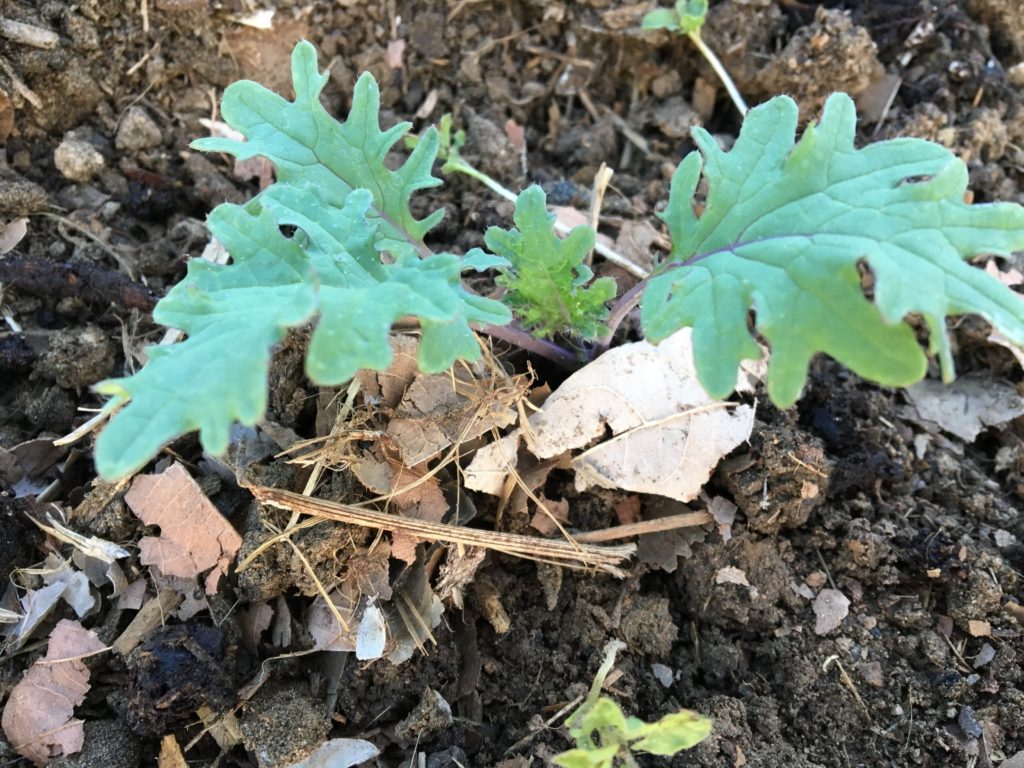
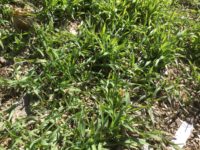
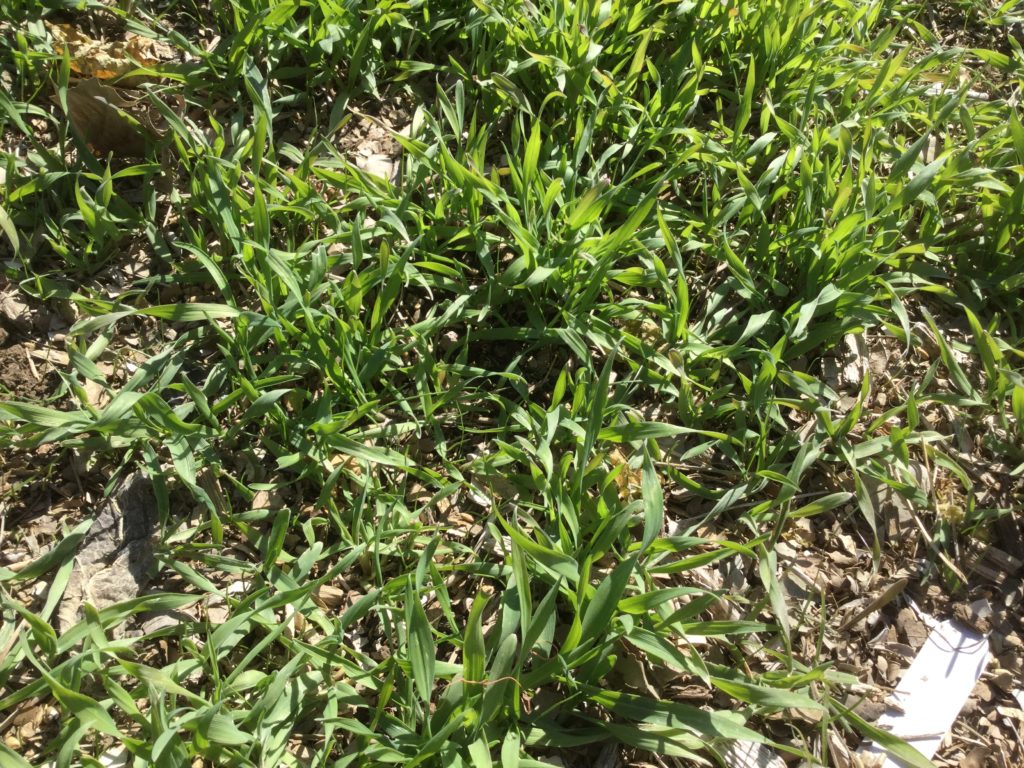
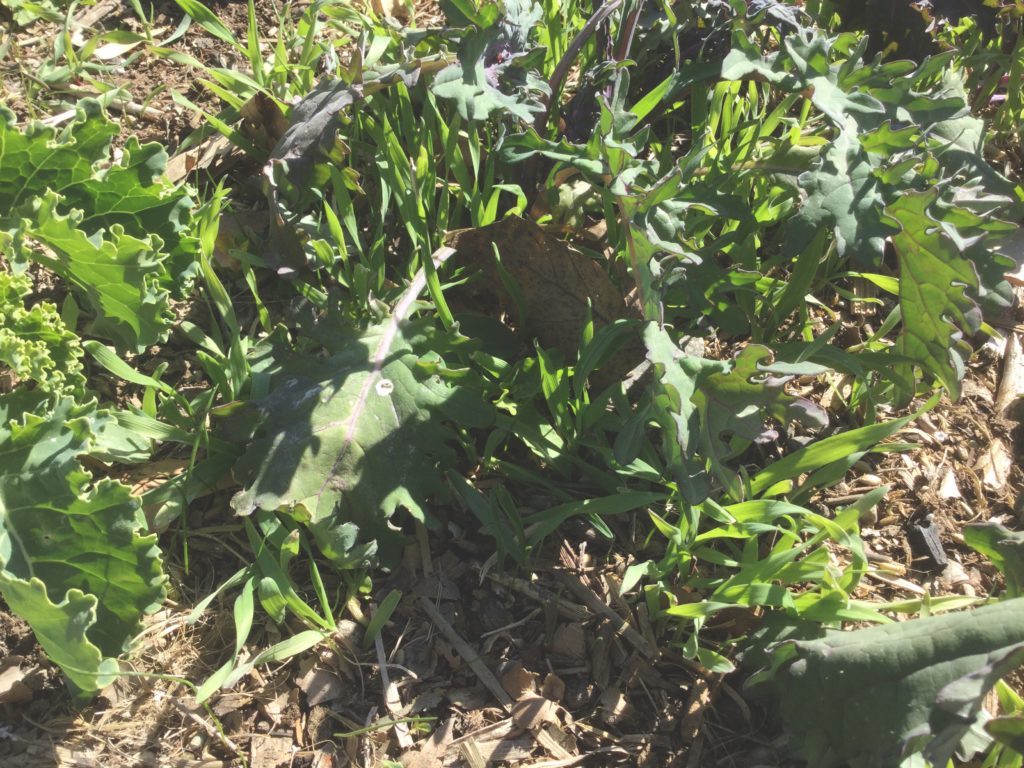
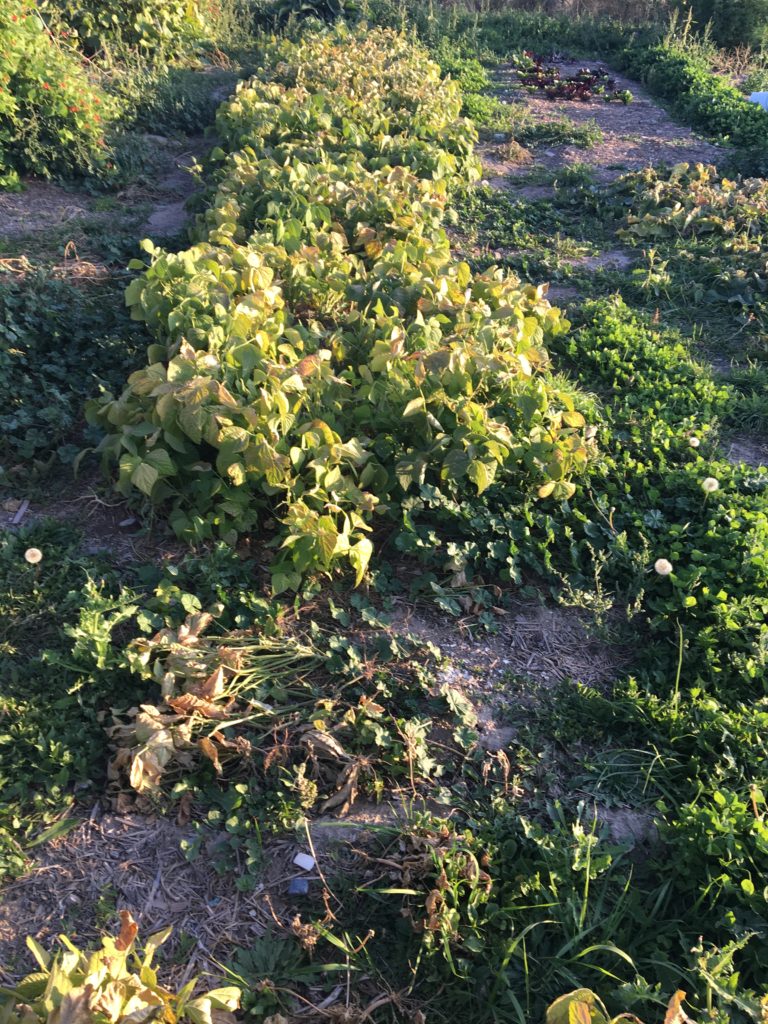
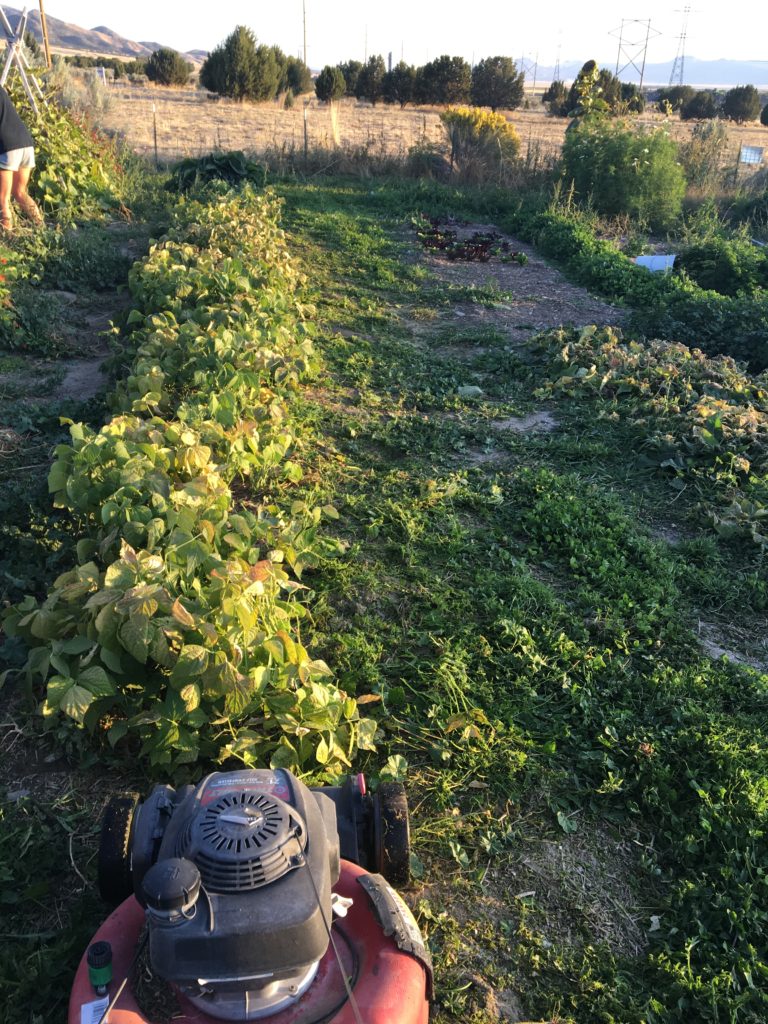
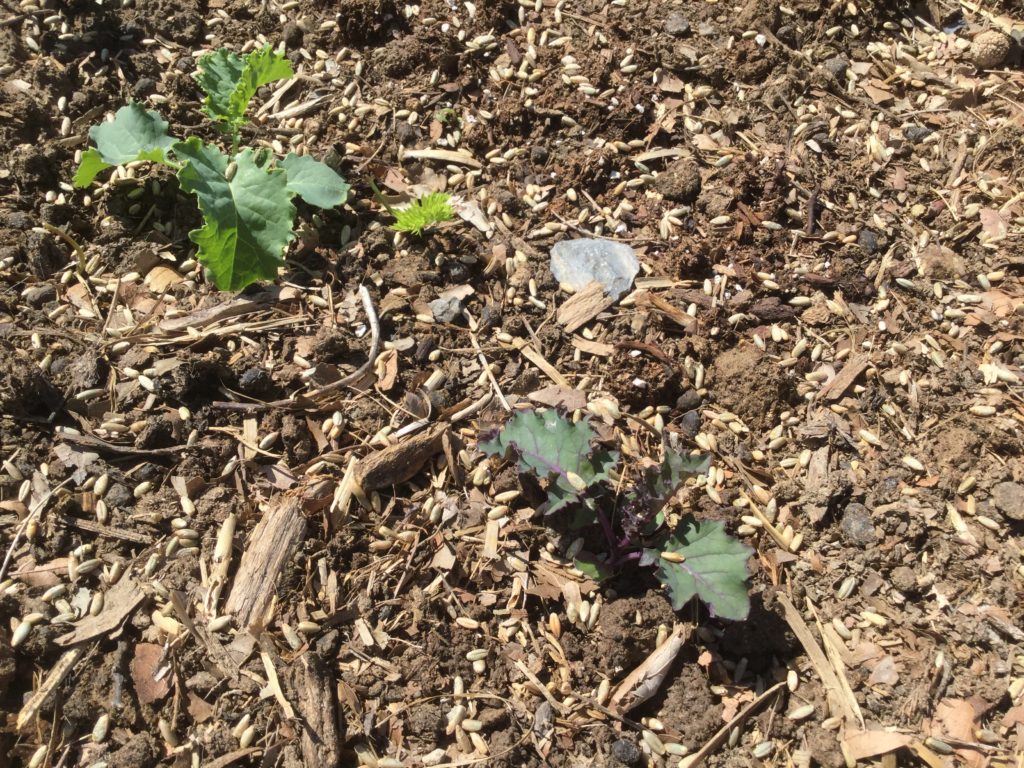
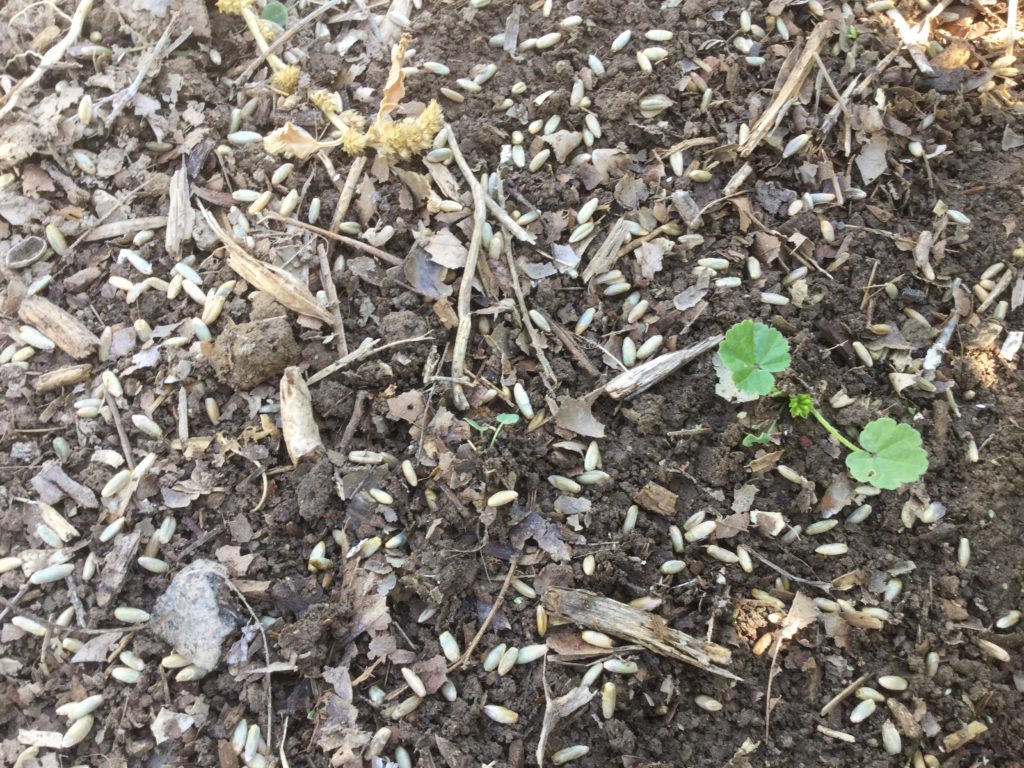
So I tentatively took the plunge into cover cropping at the end of this season. I began with planting clover in the rows between the beds. Pretty simple and safe. Then as I’ve posted about before I planed annual rye grass in the empty beds after they had been harvested. Yes, I planted grass. In my garden beds. Grass. On purpose. I even under planted my winter kale with rye grass. I would be lying if I didn’t’ admit that every time I walk out into the garden my heart leaps a little as I see the grass coming up and then have to remind myself I did that on purpose and this is a good thing.
 So what do I do in the spring when it comes to planting time with beds full of rye? It’s actually pretty simple. The rye gets mowed before it goes to seed. I used an annual rye grass, meaning it only lives one season. This next spring when we are ready to prepare the beds for planting the rye will be mowed down low and lightly turned in to the soil. This will add a lot of organic matter and create humus in the soil.
“Humus, the end product of organic-matter decay in the soil, is the key to good soil structure, nutrient availability, moisture supply, and the biological vitality of the soil.” Eliot Coleman “New Organic Gardner” p.64
I am excited to learn how to work cover crops into the market garden, this next season I will be adding more varieties and playing around with under sowing, something I will talk about more later.
Producing healthy food for my neighbors, food that nourishes them at the same time protecting, building and nourishing the land is very important to me and Mike. We hope and pray we will be able to do this well and for many years to come.
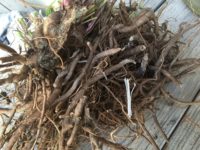
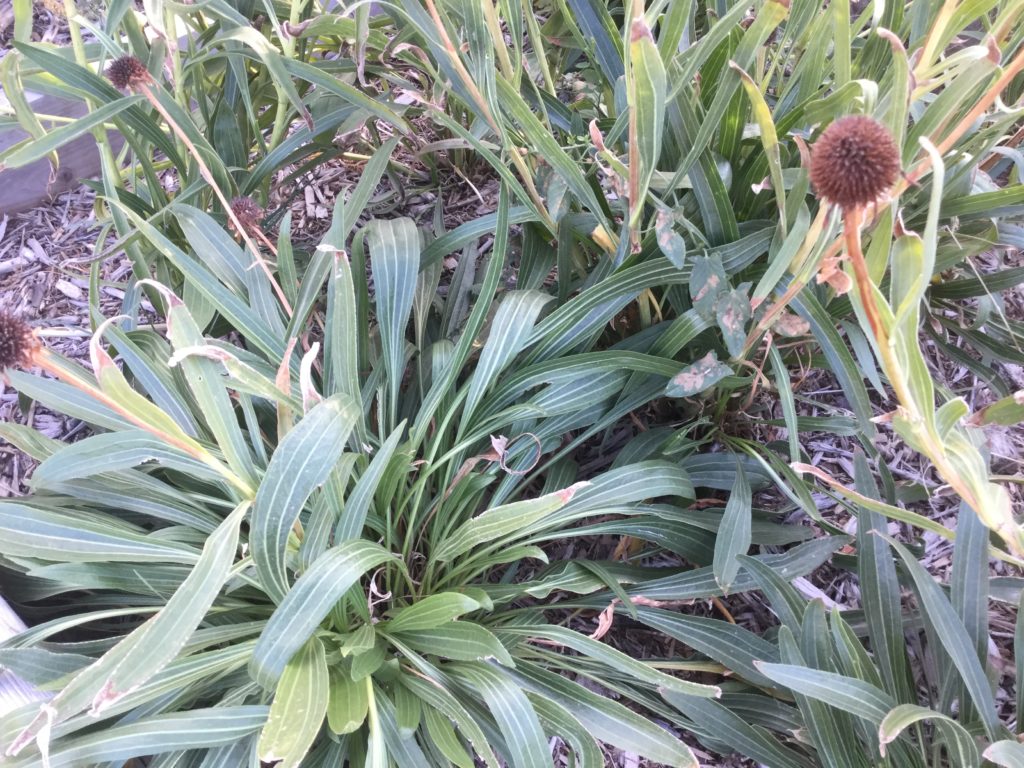
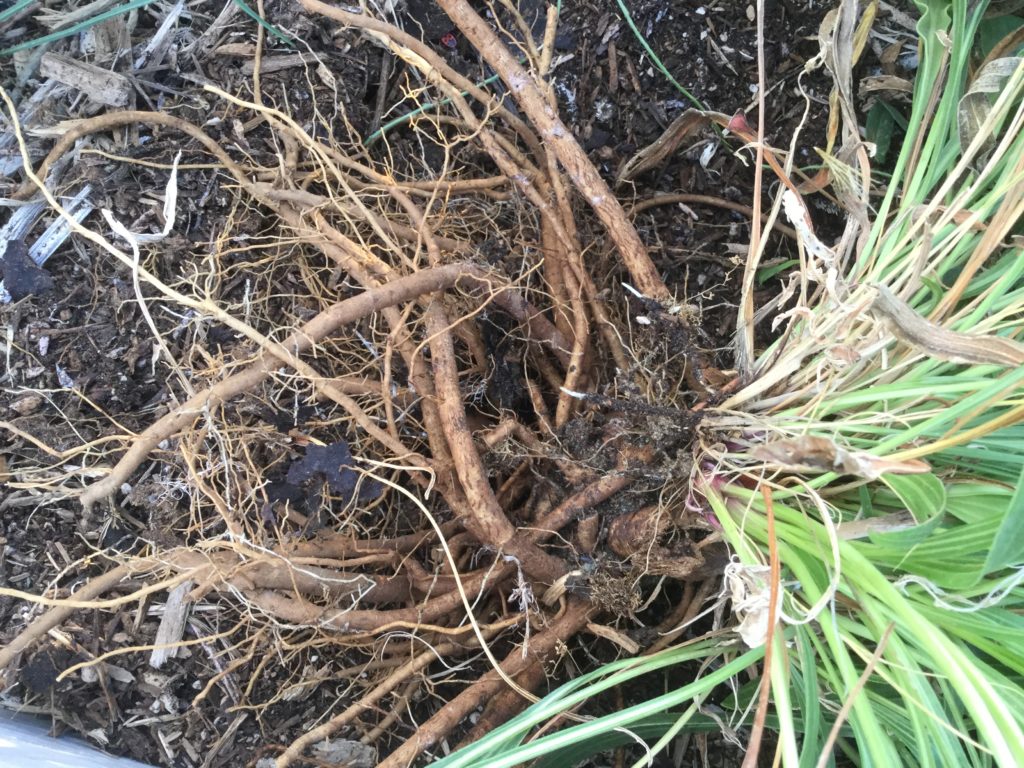 In my patch I picked about half of the biggest most healthy plants. Healthy plants make good strong medicine. With a fork I gently lifted each plant with its root system intact. They looked so beautiful.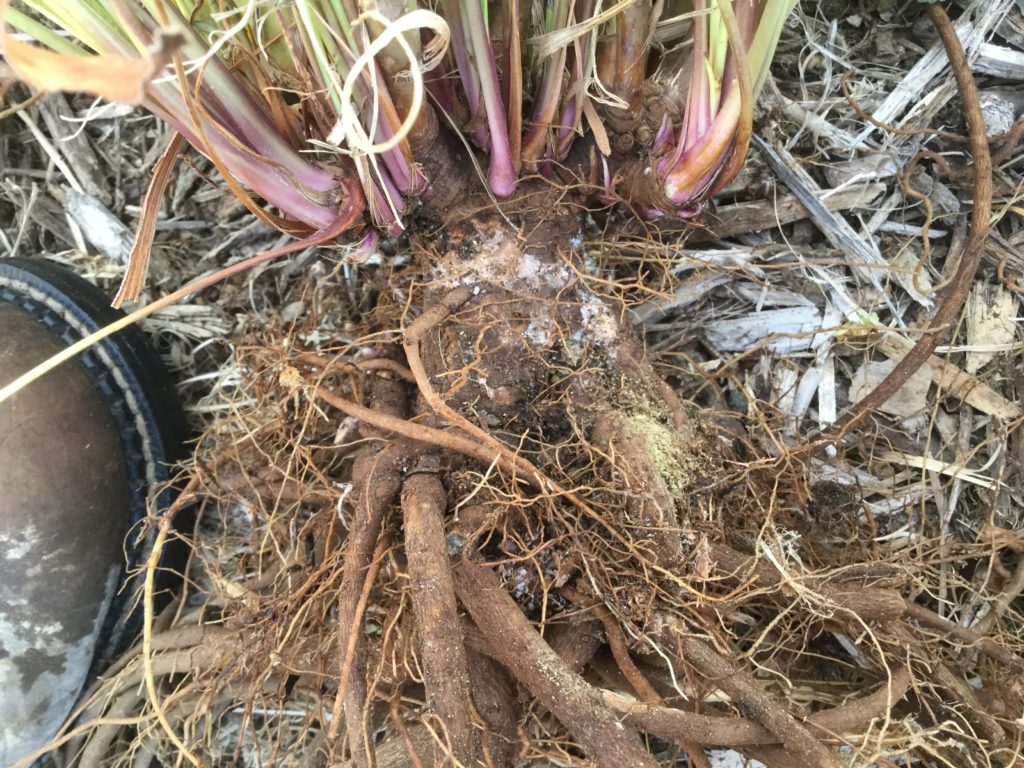
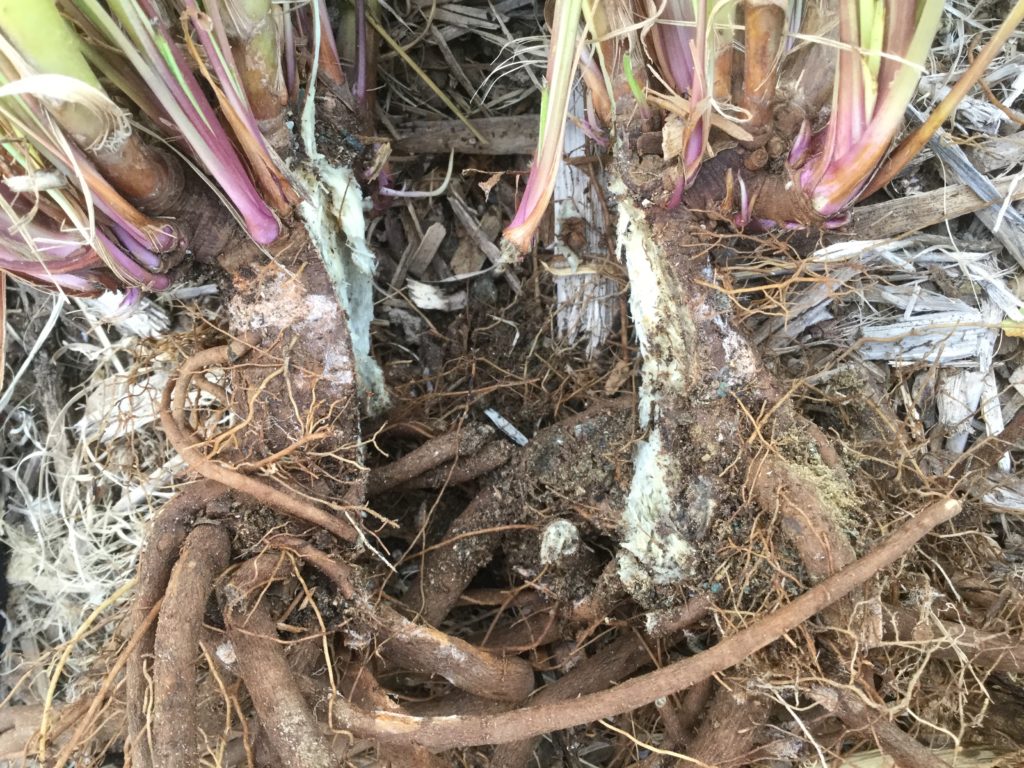 The big roots were sliced in half and about half of the smaller roots broken off, the green foliage and flower heads were trimmed back. The smaller roots and about a third of the big root stalks were set aside in my foraging basket.
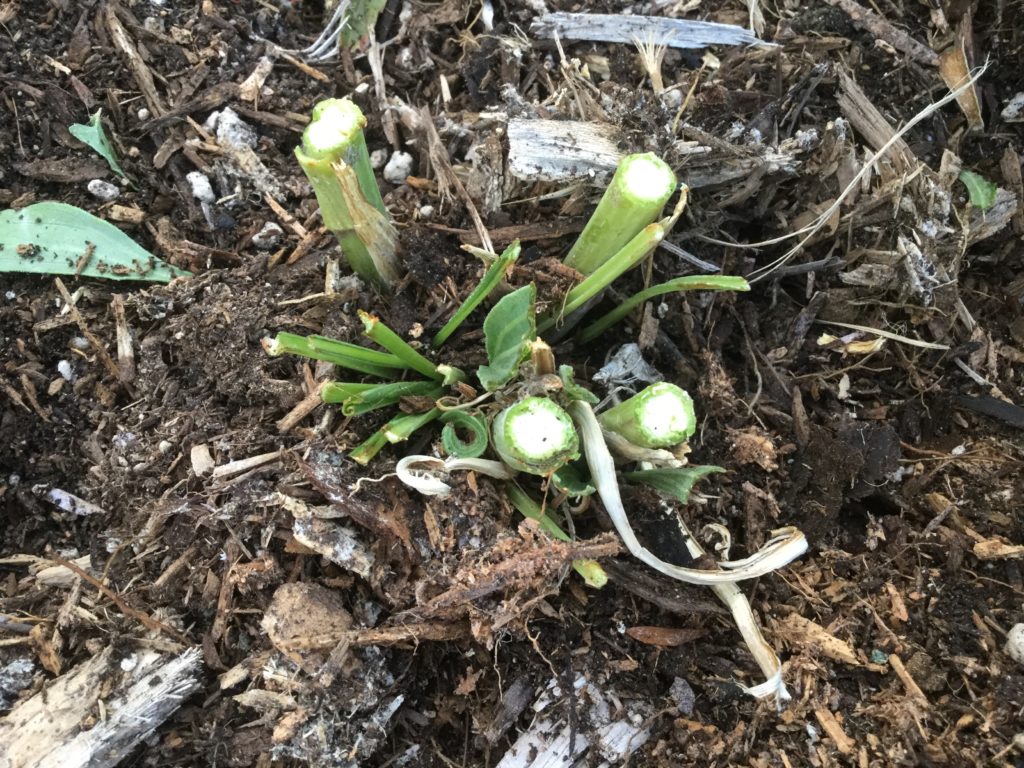 The remaining roots were tucked back into their original spots, a few were planted in a new patch. My goal is to have a continual supply of 2-3 and 4 year roots. To do this I have to be very deliberate and thoughtful about how much I take, how much I re-plant and where.
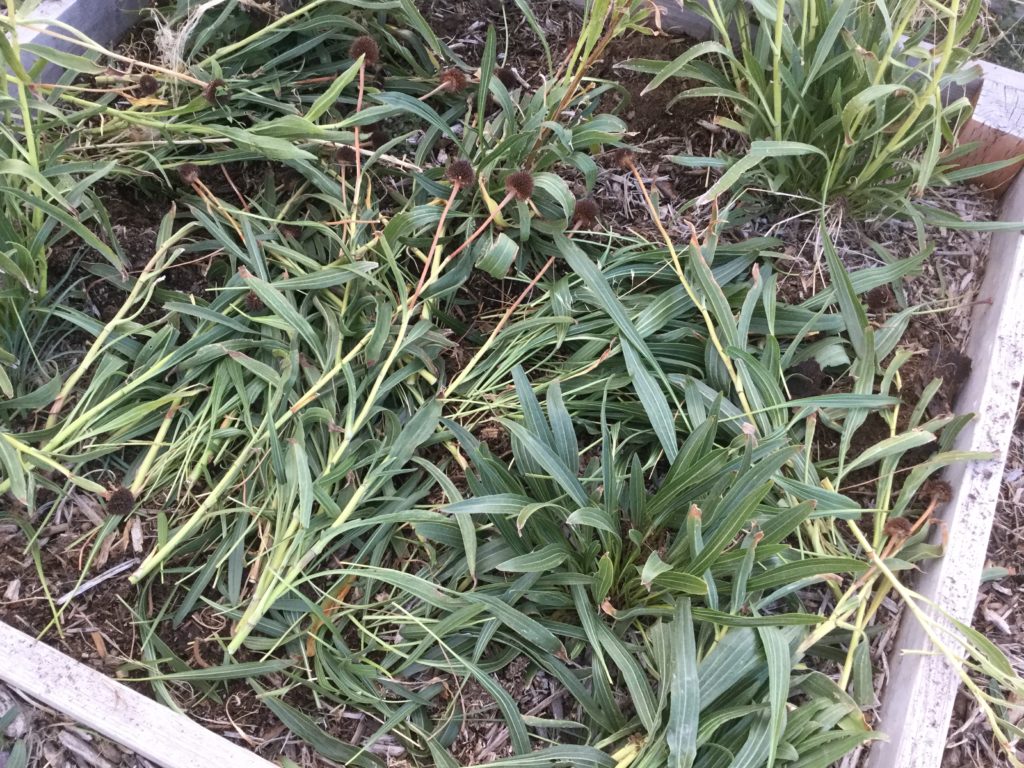 And true to my nature and philosophy, all the greens and spent flower heads were laid right back from where they came. They will compost in place, feeding the soil that fed them.
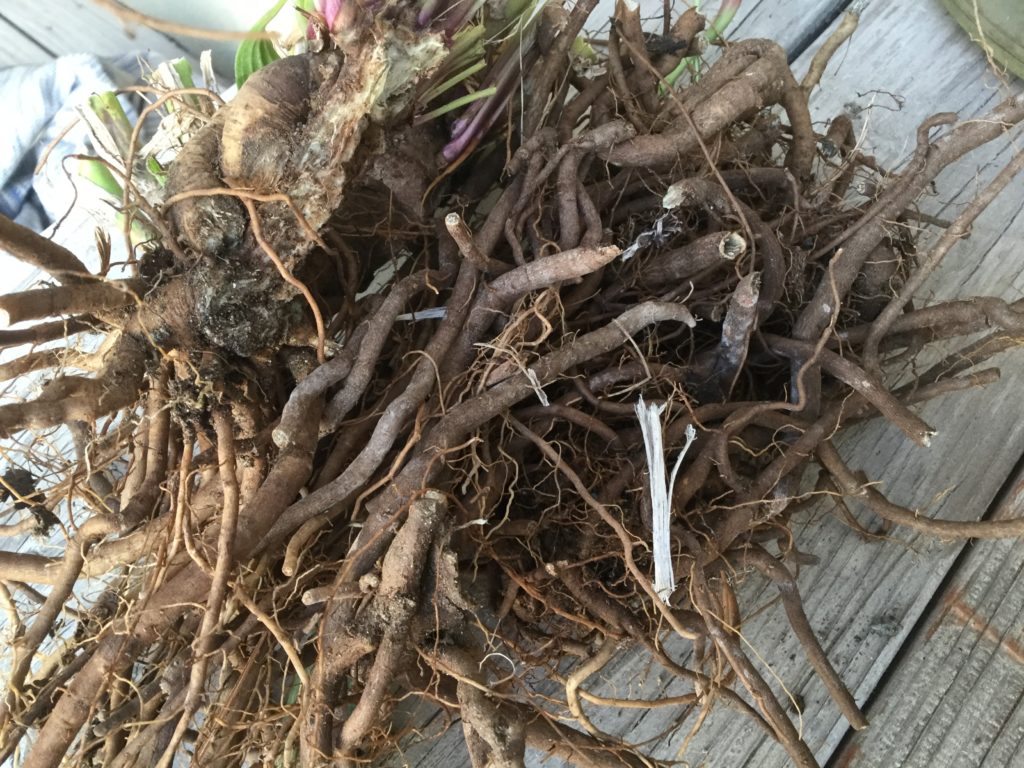 This is my harvest, they will dry out for a few days, the dirt brushed off and then they will be tinctured for six weeks. These beauties will help keep my family healthy throughout the winter. They are also going to go into a formula I am working on that will be an even more powerful ally against the cold and flu.
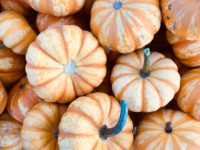
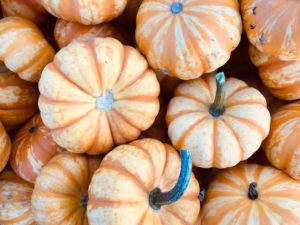
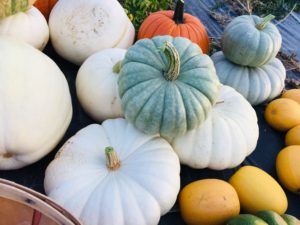
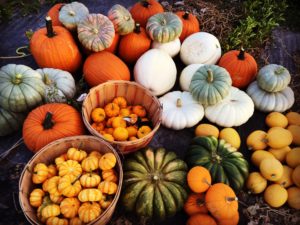
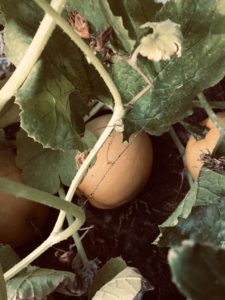
 Autumn is one of my most favorite times of the year. I most likely say that at the beginning of every new season, I am glad to live in an area of the world where I get to have four seasons, I like the variety and anticipation that each season brings. That being said, Autumn is one of my favorites, I don’t tire of it quickly and I love the cool nights, the harvest, the fall colors, snuggling in front of the first fire of the season. Its such a lovely time of year. I must confess another reason I love autumn is my love affair with pumpkins. Seriously they are the mostly beautiful and interesting of all vegetables. I love the typical jack-o-lantern style and I love the old heirloom varieties, the kind that people have been growing in France for five hundred years. I love them all. I have to restrain myself every spring as I plan and plant my garden so I don’t plant too many. I so enjoy pumpkins.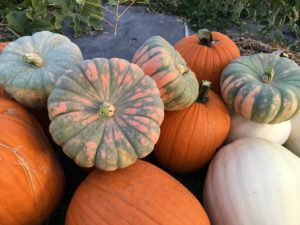


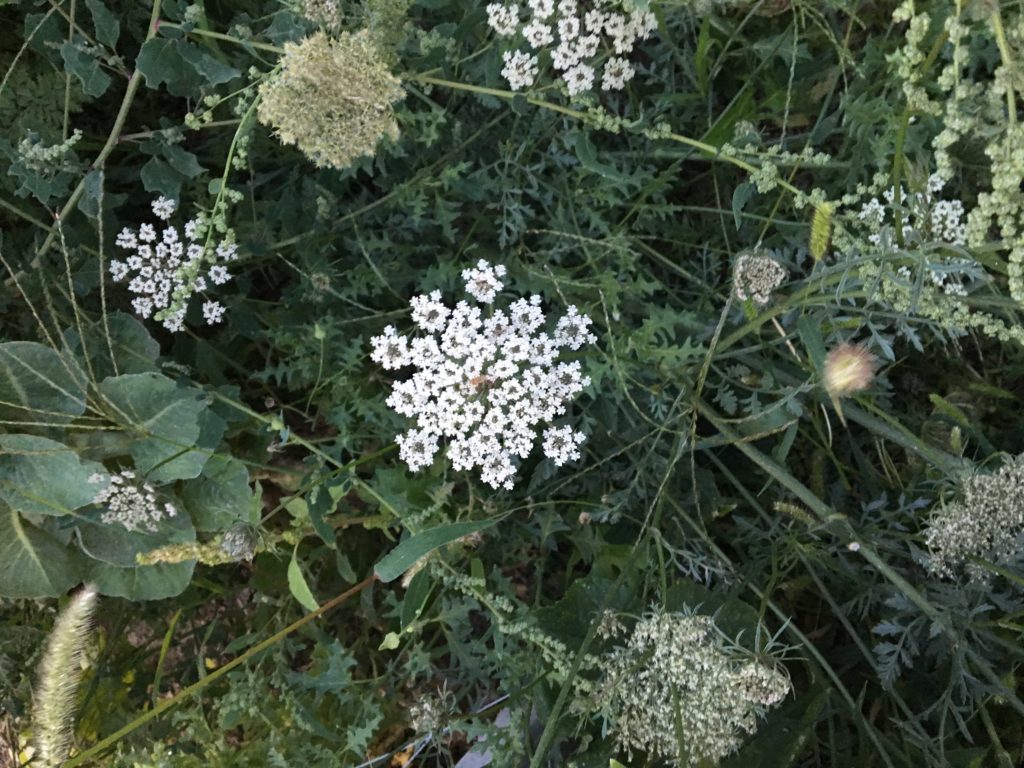 A few years ago I bought carrots seeds and the strangest thing happened. Instead of producing an edible root (well it may have been edible, but they certainly weren’t palatable) they went right to flower. This is strange, in that clearly I didn’t get the correct seed and typically plants in the carrot family are biannual and flower on their second year. It was a lovely mistake and I had a whole 50×4 foot row of beautiful Queen Ann’s Lace type flowers. I soon discovered that they were even better than beautiful, the bugs LOVED them. I had so many different types of pollinators that year that I decided they would always have a place in my garden. This has been quite easy in that they readily reseed themselves. In a permaculture garden it is very important to have plants that attract pollinators, the term is usually coined “pollinator strips”. We are preparing some new markets gardens from virgin land and will be adding perennial rows with bushes a few trees and flowers galore to attract pollinators. It is very easy to gather seeds from these flowers. As the flowers mature and the seeds ripen the heads curl inward, almost making a cup, I just clip off the head and drop it into a paper sack for safe keeping over the winter. This spring when its time to get our strips, or beds, of perennial plants ready those seeds will find a new home.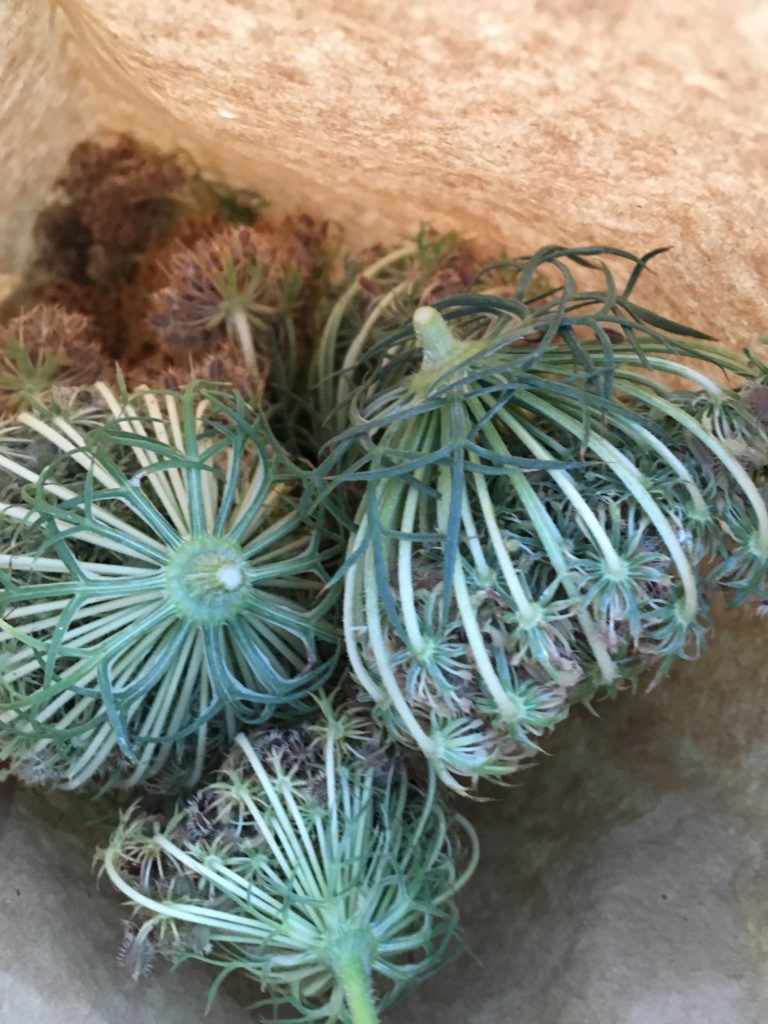
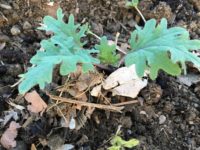
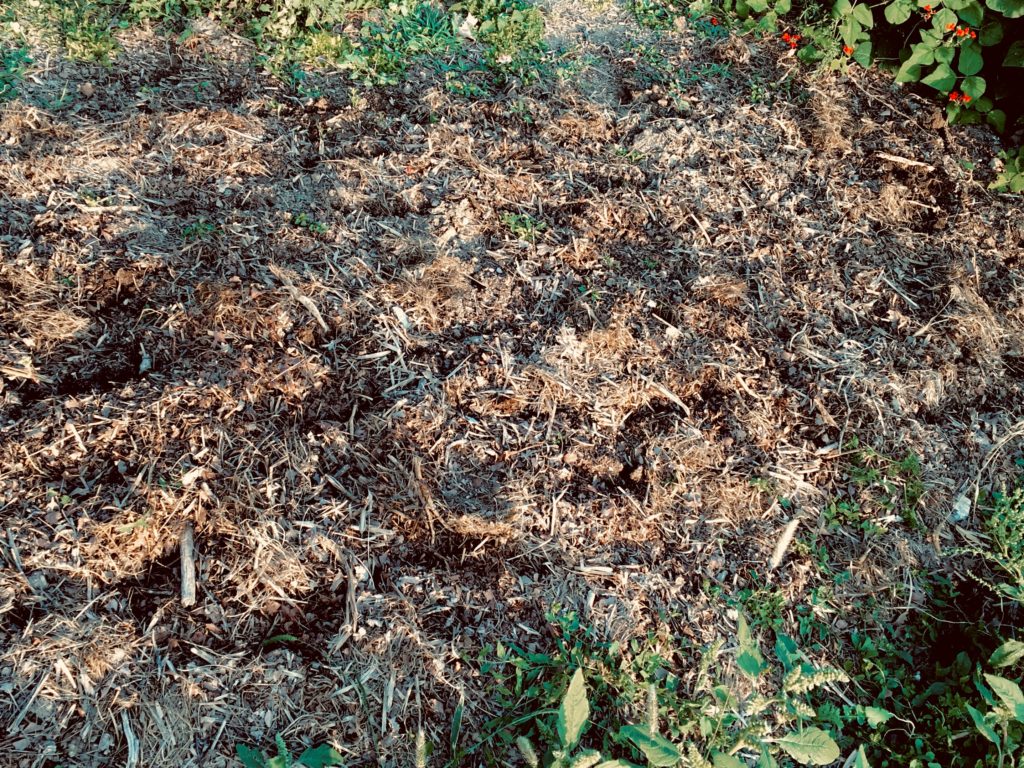
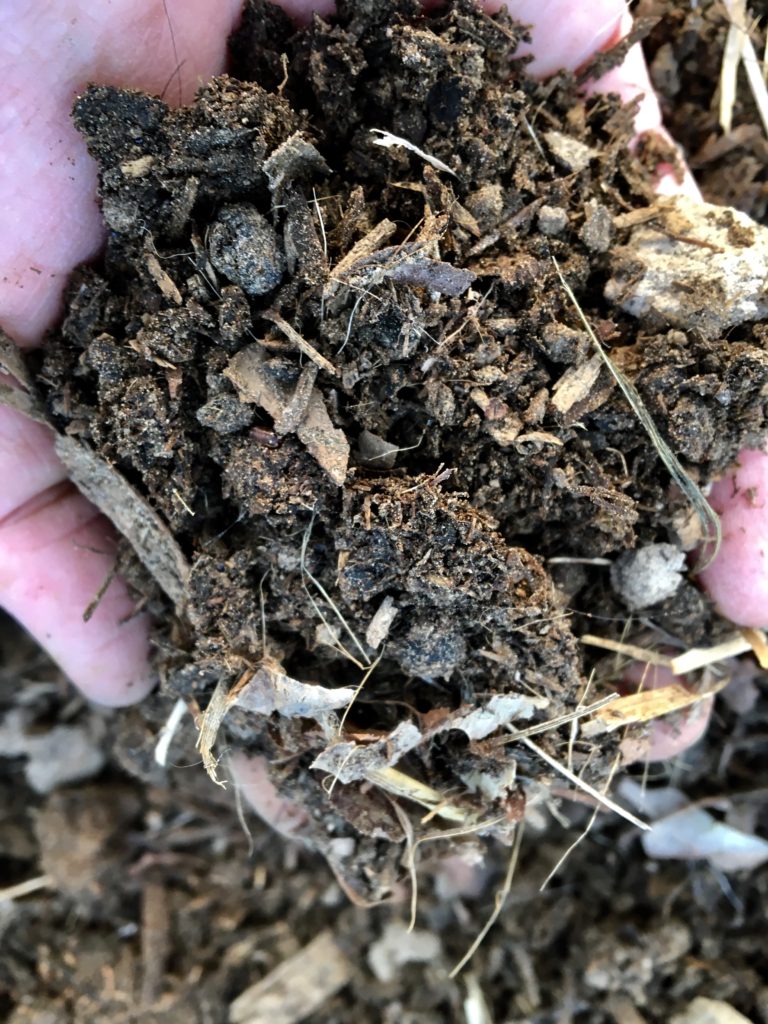
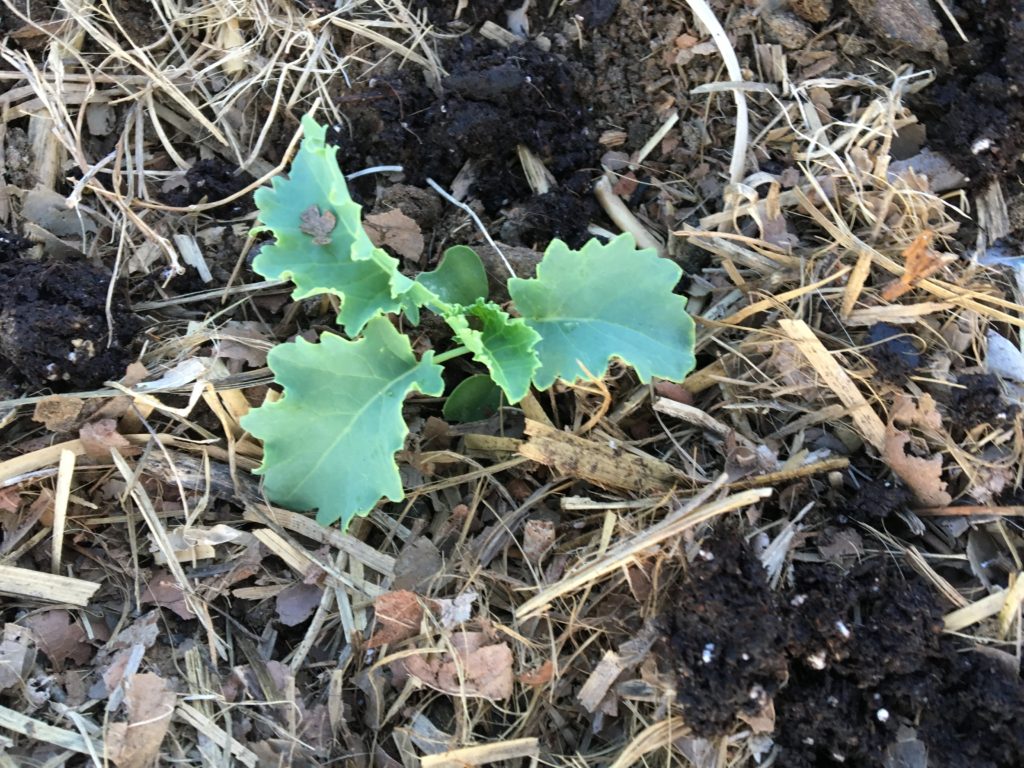
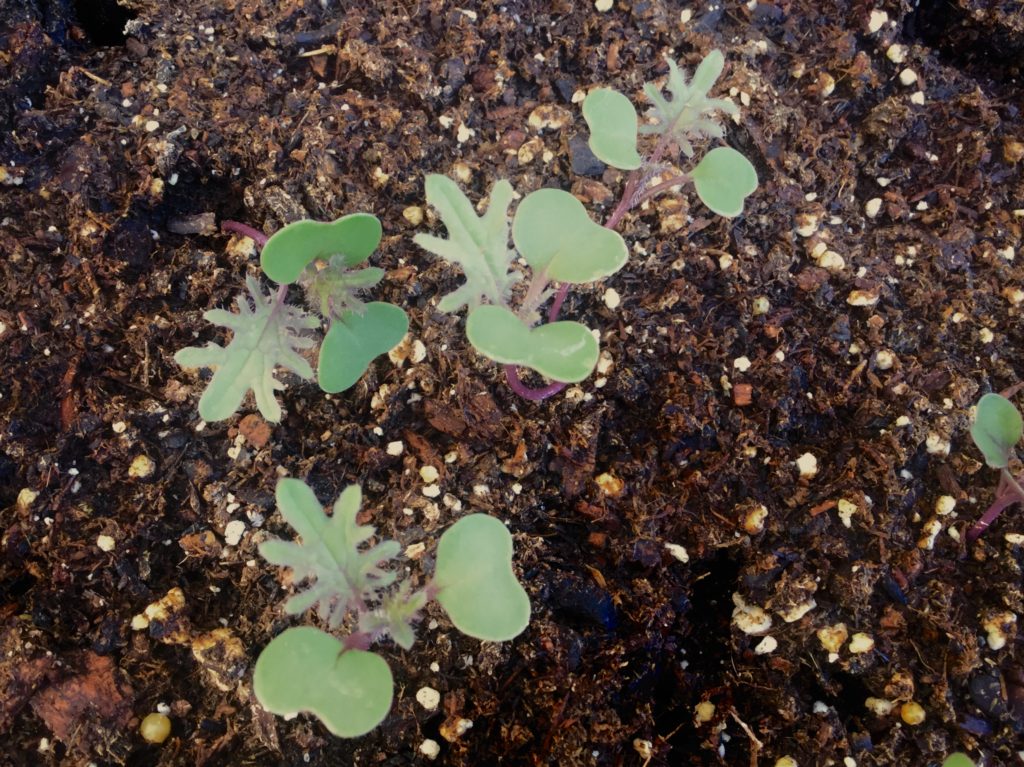
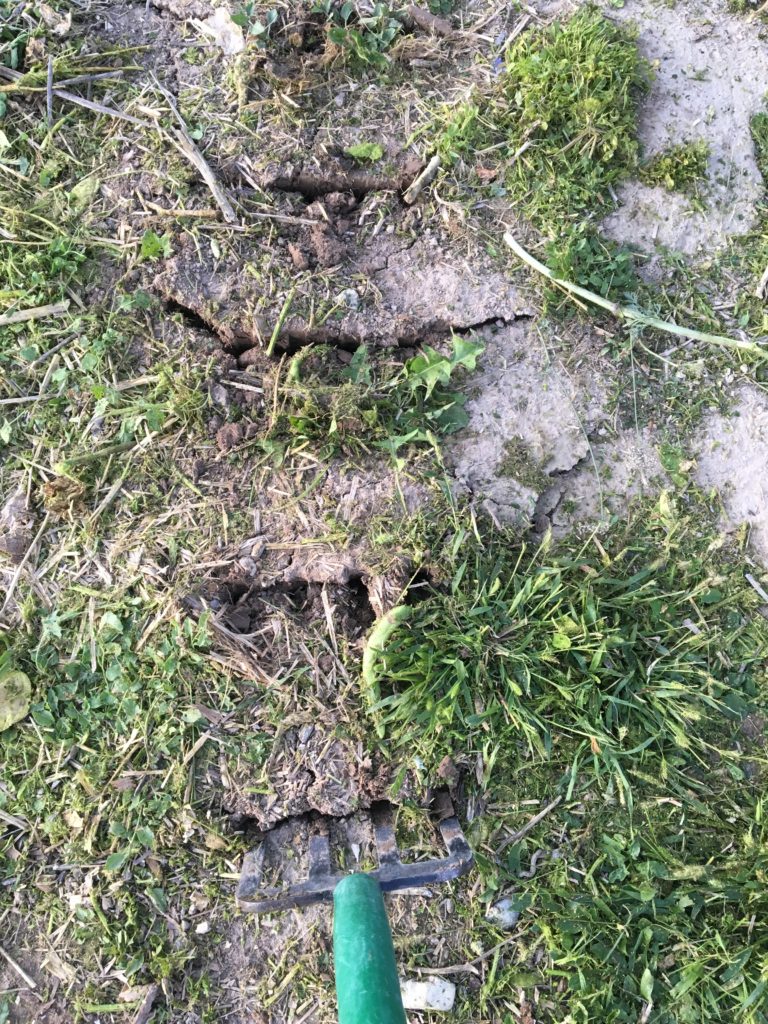
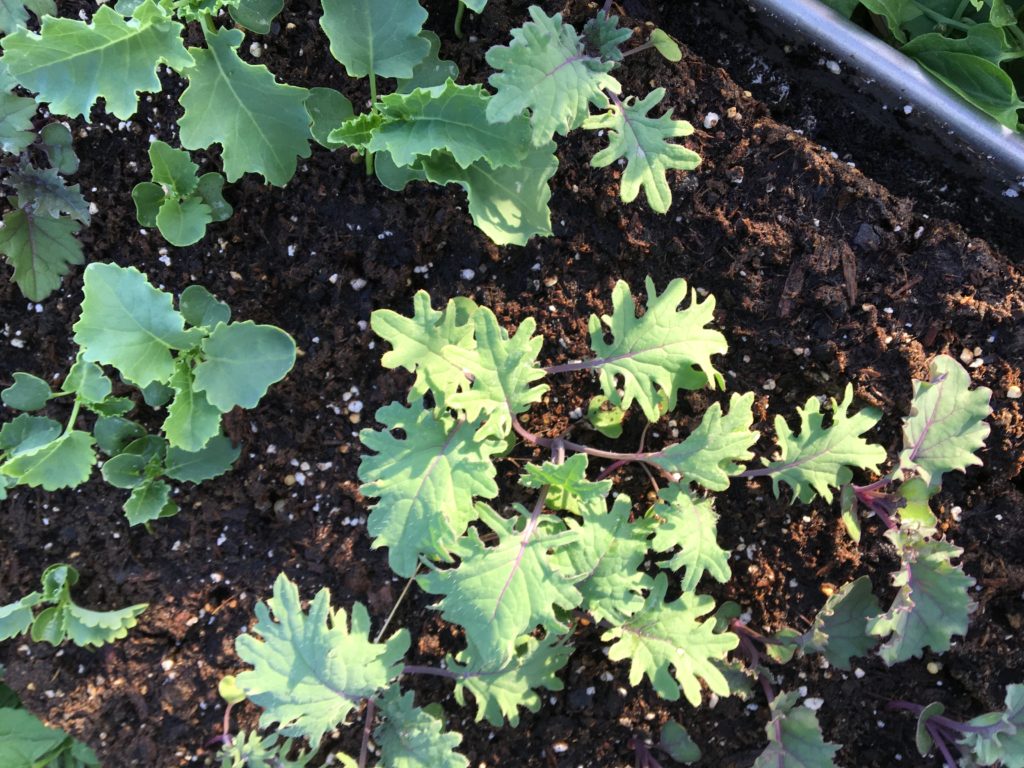 The little kale I had written about earlier are now big enough to go out into the garden. I prepared the bed, not with tilling, but using a fork I gently aerated, just lifting the fork a little, but not turning over the soil. The less disturbed it is the better for the soil health. I also added a nice layer or compost and gently raked it in.
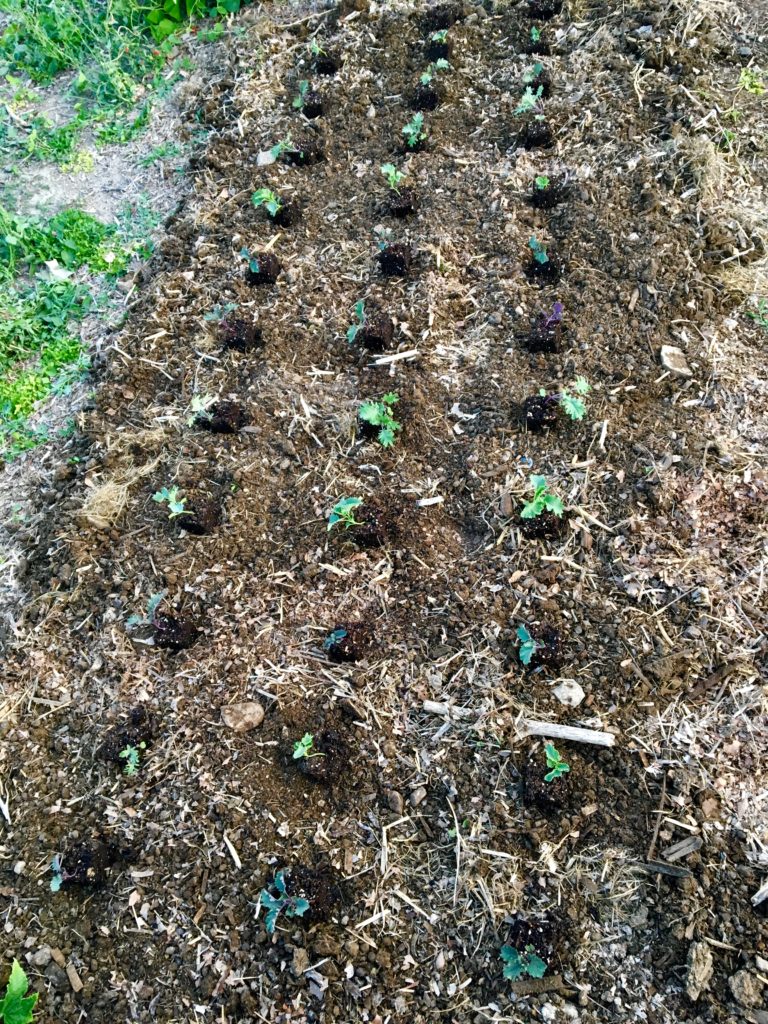 The seedlings were spaced evenly and planted with great care. I’m hoping to have some winter vegetables to add to the soup pot and perhaps have some to sell at market.